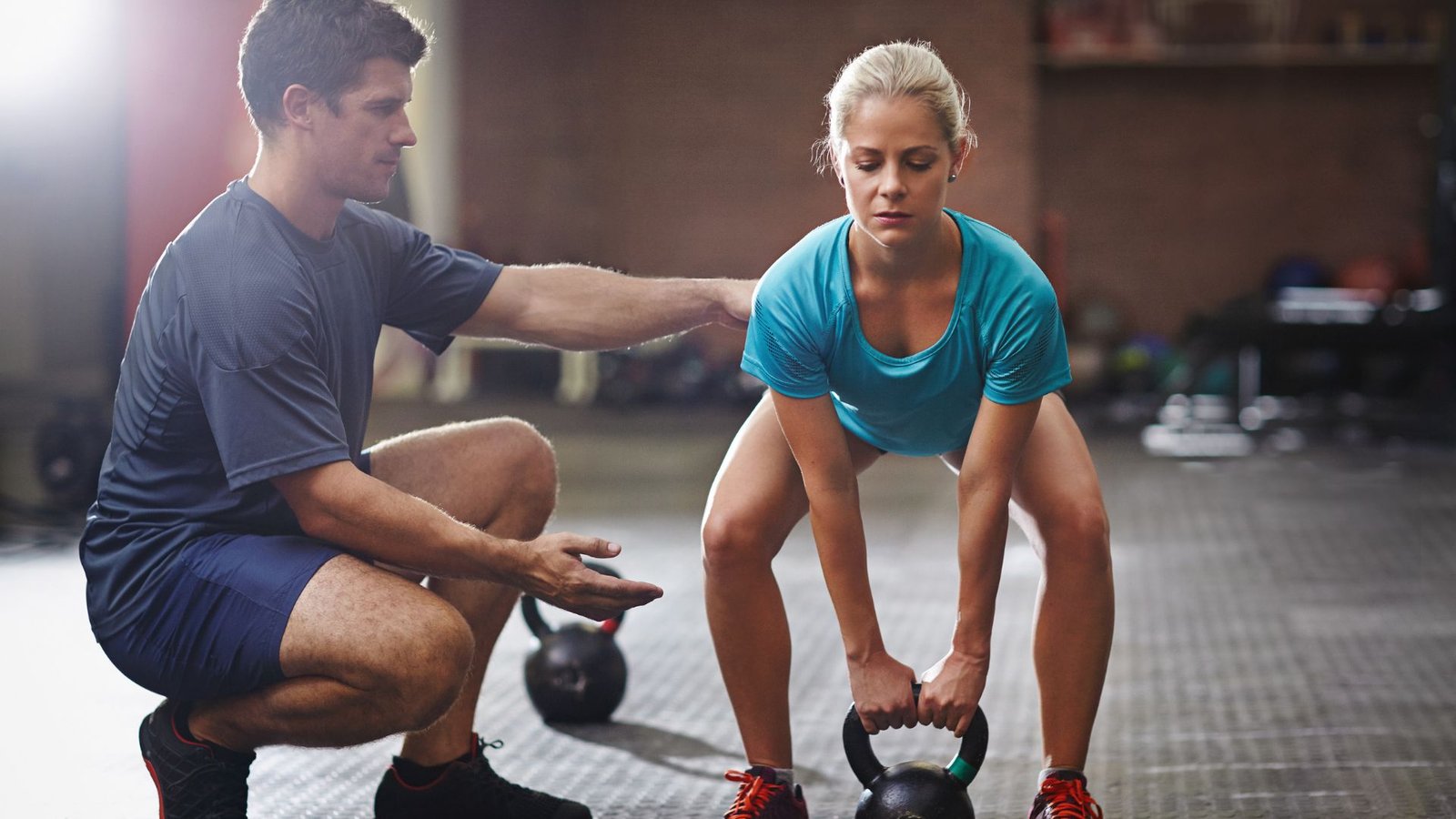
Whether you are walking into our studio in San Rafael or training with us online, one question consistently tops the list: how much protein do i need to build muscle? It is a foundational question because protein is the literal building block of your physique. Without enough of it, even the most intense training sessions can leave you feeling stalled and frustrated.
Understanding your protein requirements isn’t just about drinking shakes; it’s about fueling your body to repair tissue and ignite growth. For the busy professionals and health-conscious adults in Marin County, getting this right is the key to seeing a return on your investment in the gym.
Why Protein is Essential for Muscle Growth
Protein is made up of amino acids, often referred to as the “building blocks” of the body. When you engage in strength training, you create microscopic tears in your muscle fibers. Muscle protein synthesis (MPS) is the process where your body uses protein to repair these tears, making the muscle stronger and larger than before.
If you don’t consume enough protein, your body may enter a catabolic state, meaning it breaks down muscle tissue to find the amino acids it needs for basic functions. To stay in an anabolic (muscle-building) state, a consistent supply of high-quality protein is non-negotiable.
How Much Protein Do I Need to Build Muscle?
So, how much protein do i need to build muscle exactly? While the RDA (Recommended Dietary Allowance) for a sedentary adult is a mere 0.8 grams per kilogram of body weight, this is far too low for someone lifting weights or looking to change their body composition.
The Science-Based Range
Most sports nutrition research suggests that for optimal muscle hypertrophy (growth), you should aim for:
1.6 to 2.2 grams of protein per kilogram of body weight.
In simpler terms: 0.7 to 1 gram of protein per pound of body weight.
For a 180-pound individual, this equates to roughly 126 to 180 grams of protein per day. If you are a beginner or have a higher body fat percentage, aiming for the lower end of that range is a great starting point. If you are leaner and training at a high intensity, the higher end will serve you better.
Factors That Influence Your Protein Requirements
Not everyone needs the same amount. Your specific goals, lifestyle, and age play a significant role in determining your daily target.
Your Training Intensity
If you are training with us at San Rafael Personal Training three to five times a week, your demand for protein is significantly higher than someone who only goes for a light walk. The more stress you put on your muscles, the more “raw material” they need to recover.
Your Age
As we age, our bodies become less efficient at processing protein—a phenomenon known as “anabolic resistance.” For our clients over 40 and 50, we often recommend slightly higher protein intakes per meal to ensure the muscle-building signal is properly triggered.
Total Caloric Intake
If you are in a “cutting” phase (trying to lose fat while keeping muscle), your protein needs actually increase. When calories are low, your body is more likely to burn muscle for fuel. High protein intake acts as a protective shield for your hard-earned muscle.
High-Quality Protein Sources
To meet your goals, focus on “complete” proteins that contain all nine essential amino acids.
Animal-Based: Chicken breast, lean beef, turkey, eggs, Greek yogurt, and wild-caught fish.
Plant-Based: Lentils, chickpeas, quinoa, tofu, tempeh, and edamame.
Supplements: Whey isolate or high-quality plant-based protein powders are excellent for hitting targets when you’re on a busy schedule in San Rafael.
Actionable Steps to Hit Your Protein Goals
Knowing the number is one thing; hitting it daily is another. Use these steps to simplify the process:
Protein at Every Meal:
Aim for 25–40 grams of protein per meal. This ensures a steady drip of amino acids into your bloodstream.
Prioritize Breakfast:
Most people backload their protein at dinner. Start your day with eggs or a shake to jumpstart muscle protein synthesis early.
Track for One Week:
Use an app like MyFitnessPal for seven days just to see where you currently stand. Most people realize they are under-consuming protein by 30% or more.
Keep it Simple:
Prep your protein sources in bulk on Sundays. Having cooked chicken or boiled eggs ready to go removes the “decision fatigue” during a busy work week.
Frequently Asked Questions
For healthy individuals, a high-protein diet is generally safe. Your body will oxidize excess protein for energy or excrete it. However, the “sweet spot” for muscle growth is usually around 1 gram per pound; going significantly over this doesn’t necessarily result in faster growth.
While it was once believed you had to drink a shake within 30 minutes of lifting, we now know that total daily protein intake is much more important. However, having a protein-rich meal within 2–3 hours of your workout is still a smart practice for recovery.
Absolutely. You just need to be more strategic. Since plant proteins are often “incomplete,” you should eat a variety of sources (like beans and rice) to ensure you get a full amino acid profile, or supplement with a vegan protein powder.
No, whole foods should always be your foundation because they contain vitamins and minerals. However, whey protein is a “fast-acting” protein that is incredibly convenient for post-workout recovery or busy professionals on the go.
Conclusion
Determining how much protein do i need to build muscle is the first step toward transforming your physique. By aiming for roughly 0.7 to 1 gram of protein per pound of body weight and distributing that intake throughout your day, you provide your body with the tools it needs to get stronger, leaner, and more resilient.
At San Rafael Personal Training, we know that nutrition is the “hidden” half of fitness. You can lift all the weights in the world, but without the right fuel, your progress will always have a ceiling. Whether you are a beginner looking for accountability or an experienced athlete breaking a plateau, focusing on your protein intake is one of the highest-ROI shifts you can make.
Transform Your Results with Expert Coaching
Ready to stop guessing and start growing? Whether you want to train in person in San Rafael or through our flexible online programs, we provide the custom nutrition strategies and workout plans you need to succeed. Contact San Rafael Personal Training Today to book your consultation and take the first step toward a stronger, healthier you!