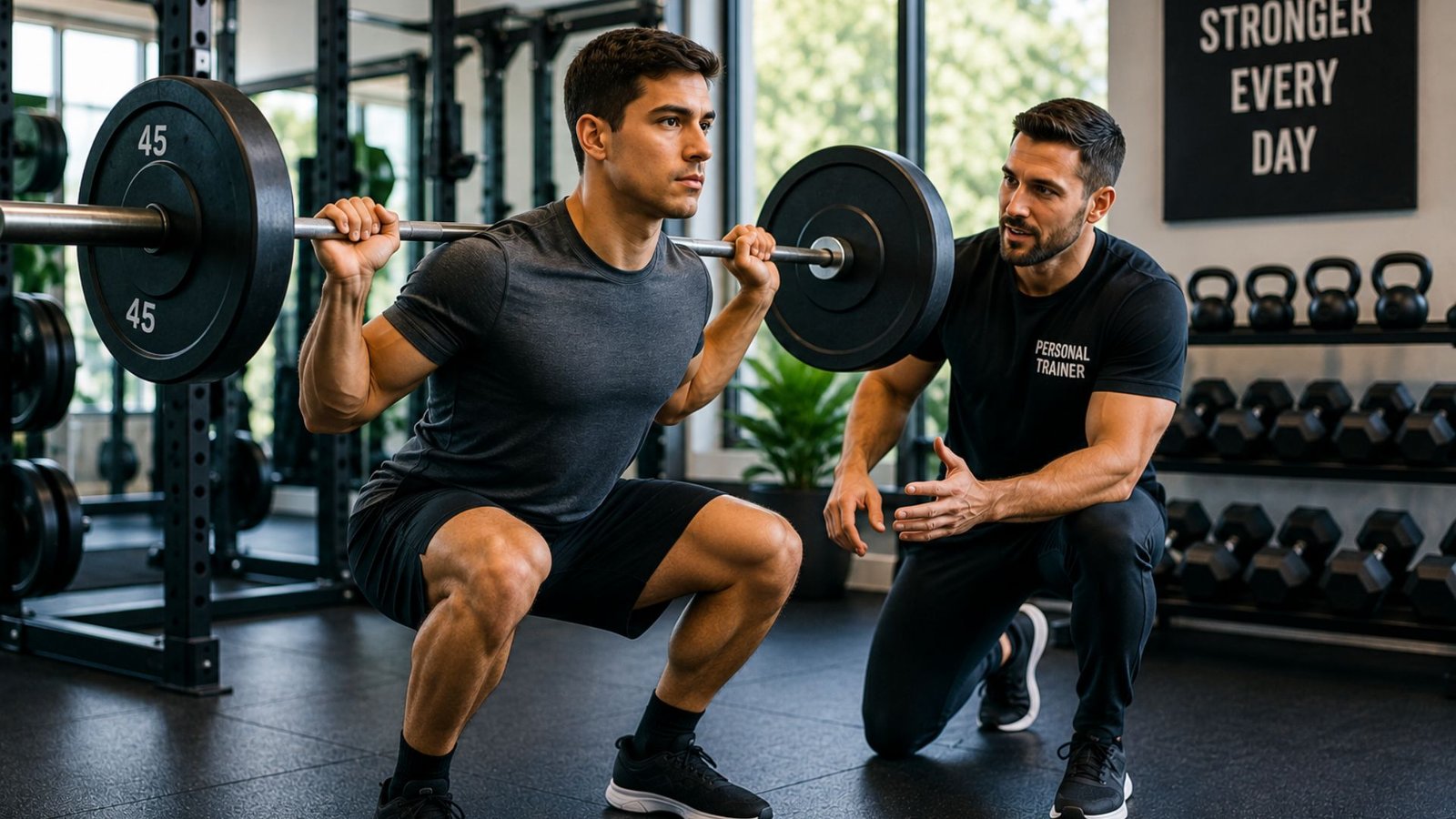
Starting a fitness journey can feel overwhelming, especially when you are balancing a demanding career in San Rafael or managing a busy family schedule in Marin County. You know you want to feel stronger, boost your metabolism, and improve your long-term health, but where do you actually begin? The answer lies in a structured beginner strength training routine designed to build a sustainable foundation without causing burnout.
Strength training is more than just lifting weights; it is a strategic approach to functional longevity. For many of our clients, the goal isn’t just about how they look in the mirror, but how they feel during their daily activities—whether that is hiking Mt. Tam, playing with their children, or maintaining high energy levels throughout a long workday.
What is a Beginner Strength Training Routine?
A beginner strength training routine is a foundational exercise program that focuses on “compound movements”—exercises that use multiple muscle groups and joints at once. By mastering these basic patterns, you teach your body to move efficiently, build lean muscle mass, and strengthen your connective tissues, setting the stage for lifelong physical health.
Why Consistency Beats Intensity for Beginners
Many people fail because they try to do too much too soon. They jump into high-intensity classes six days a week, only to end up injured or exhausted by week three. A professional approach focuses on gradual progression and technical mastery.
In our San Rafael studio, we emphasize that your first few weeks are about neurological adaptation. This means your brain is learning how to recruit muscle fibers and coordinate movements. Once the “software” of your movement is updated, we can begin adding the “hardware” of heavier weights.
The Core Components of a Beginner Strength Training Routine
An effective routine should target every major muscle group 2–3 times per week. This full-body approach ensures balanced development and maximizes your metabolic rate. Here are the five movement patterns every beginner should master:
1. The Squat (Lower Body Push)
Squatting is a fundamental human movement. Whether you are sitting into an office chair or picking up a grocery bag, you are squatting. Beginners often start with Bodyweight Squats or Goblet Squats to learn how to keep their chest up and drive through their heels.
2. The Hinge (Lower Body Pull)
The hinge focuses on the “posterior chain”—your glutes, hamstrings, and lower back. Mastering the Hip Hinge or a Kettlebell Deadlift is crucial for protecting your spine and building powerful legs. This is often the most important movement for busy professionals who spend hours sitting at a desk.
3. The Push (Upper Body)
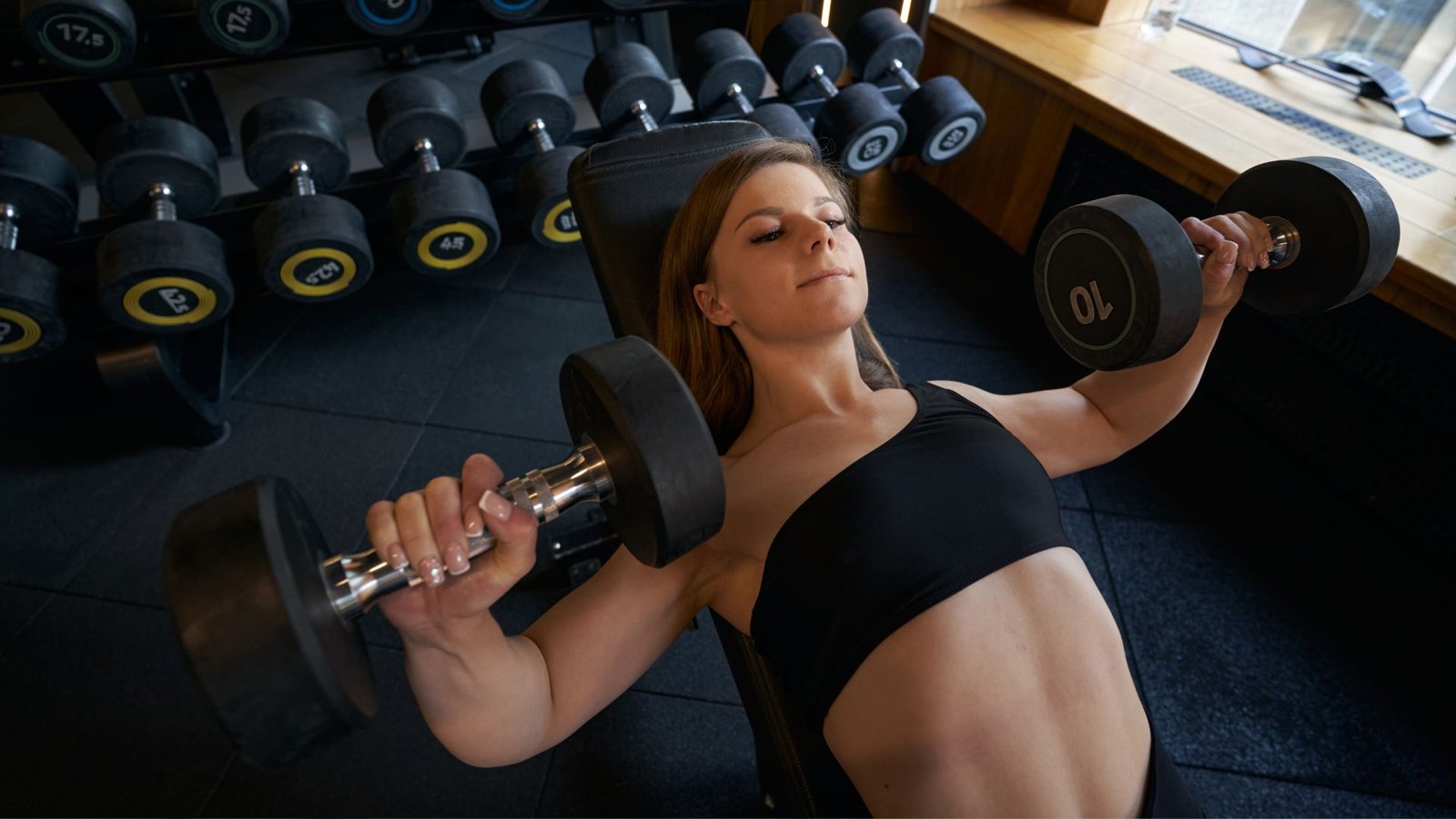
Pushing movements work your chest, shoulders, and triceps. Beginners should focus on Push-ups (starting on an incline if necessary) or Overhead Dumbbell Presses. These exercises build upper body stability and strength.
4. The Pull (Upper Body)
Pulling is the antidote to “tech neck.” Exercises like Seated Rows or TRX Rows strengthen the muscles between your shoulder blades, improving posture and reducing the risk of shoulder pain.
5. The Core (Stability)
Forget standard crunches. Real core strength is about resisting unwanted movement. Planks and Deadbugs teach your core to stay rigid while your limbs move, which is essential for injury prevention.
Step-by-Step: Your First Workout
If you are ready to start today, follow this simple yet effective beginner strength training routine. Perform this workout two to three times a week with at least one day of rest in between sessions.
Warm-up: 5–10 minutes of light cardio (brisk walk) followed by arm circles and leg swings.
Goblet Squats: 3 sets of 10–12 repetitions. Focus on depth and control.
Incline Push-ups: 3 sets of 8–10 repetitions. Keep your body in a straight line from head to heels.
Dumbbell Rows: 3 sets of 10 repetitions per side. Pull your elbow toward your hip.
Glute Bridges: 3 sets of 15 repetitions. Squeeze your glutes at the top of the movement.
Plank: 3 sets, holding for 30–45 seconds each.
Expert Tips for Long-Term Success
To see measurable results and avoid plateaus, keep these three professional principles in mind:
Prioritize Form Over Weight: Never add weight to a movement until your form is perfect. A light weight with perfect technique builds muscle; a heavy weight with poor technique builds injuries.
Apply Progressive Overload: Once an exercise becomes easy, make it slightly harder. This could mean adding weight, doing an extra repetition, or slowing down the tempo.
Listen to Your Body: Some muscle soreness is normal for beginners. However, sharp joint pain is a signal to stop and consult a professional.
Frequently Asked Questions
For most beginners in San Rafael, 2 to 3 days per week is the “sweet spot.” This allows enough stimulus to build muscle while providing ample time for recovery and adaptation.
A well-structured beginner session should take 45 to 60 minutes. This includes a proper warm-up, the main lifting movements, and a brief cool-down period.
Not necessarily. While a gym offers more variety, a highly effective beginner routine can be performed with just bodyweight, resistance bands, or a single pair of dumbbells at home.
You will likely feel stronger and more energetic within 2–4 weeks. Visible changes in muscle tone and body composition typically become apparent after 8–12 weeks of consistent effort.
Conclusion
Embarking on a beginner strength training routine is one of the best investments you can make in your future self. By focusing on the five fundamental movement patterns—squat, hinge, push, pull, and core stability—you create a resilient body capable of meeting life’s demands with confidence. Remember, the goal isn’t to be perfect on day one; the goal is to be better than you were yesterday. With the right structure and professional guidance, you can break through plateaus and achieve sustainable, life-changing results right here in Marin County.
Ready to Build Your Strongest Self?
Don’t leave your health to guesswork. Whether you prefer 1-on-1 personal training in San Rafael or the flexibility of our online programs, we are here to provide the accountability and expertise you need.
Contact San Rafael Personal Training today to schedule your initial consultation!