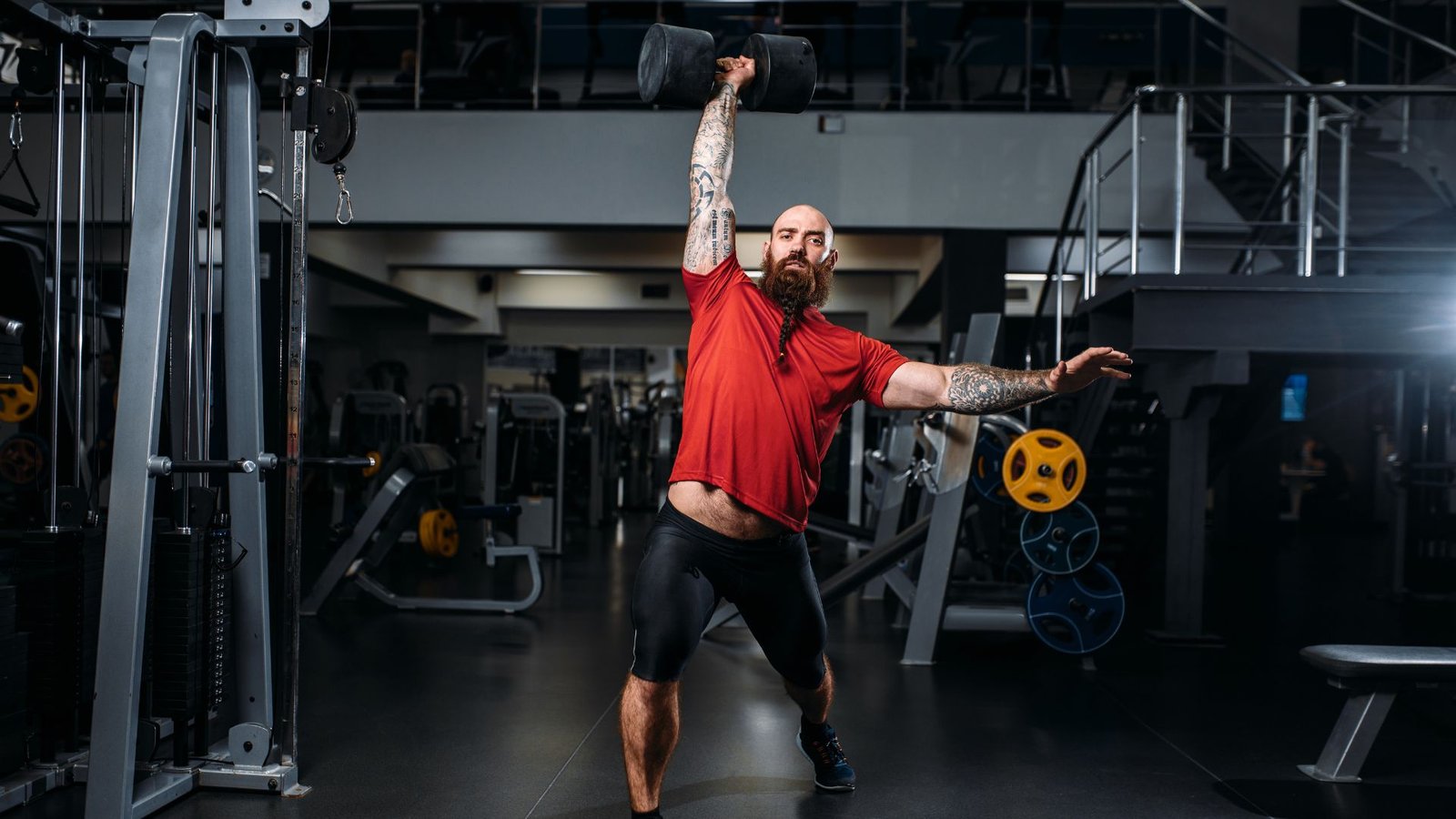
Do strength training burn calories? The short answer is yes—and it may be one of the most effective ways to improve your metabolism, build lean muscle, and support long-term fat loss. For busy adults in San Rafael looking for efficient, results-driven workouts, strength training offers a powerful solution that goes beyond just burning calories during exercise.
In this guide, we’ll break down exactly how strength training burns calories, why it’s essential for sustainable weight loss, and how you can incorporate it into your routine for maximum results.
What Is Strength Training?
Strength training, also known as resistance training, is a form of exercise that uses resistance—such as weights, resistance bands, or bodyweight—to build muscle strength and endurance.
Common types of strength training include:
- Weightlifting (dumbbells, barbells)
- Bodyweight exercises (push-ups, squats, lunges)
- Resistance band workouts
- Functional training movements
Unlike cardio, which primarily burns calories during the activity, strength training has both immediate and long-term calorie-burning benefits.
Do Strength Training Burn Calories?
Yes, strength training burns calories both during and after your workout.
While you may burn fewer calories during a session compared to high-intensity cardio, strength training increases muscle mass, which boosts your resting metabolism. This means your body continues to burn more calories even when you’re not exercising.
How Strength Training Burns Calories
1. Calories Burned During Exercise
Strength training requires energy to perform each repetition and set. The number of calories burned depends on factors like:
- Workout intensity
- Weight lifted
- Rest periods
- Body weight and fitness level
A typical session can burn between 150–300+ calories in 30 minutes.
2. The Afterburn Effect (EPOC)
One of the biggest advantages of strength training is the afterburn effect, also known as excess post-exercise oxygen consumption (EPOC).
After your workout, your body continues to burn calories as it:
- Repairs muscle tissue
- Restores energy levels
- Balances hormones
This can increase calorie burn for hours—or even up to 24–48 hours—after training.
3. Increased Muscle Mass = Higher Metabolism
Muscle tissue is metabolically active, meaning it burns more calories at rest than fat.
The more muscle you build, the more calories your body naturally burns throughout the day—even while sleeping or sitting at your desk.
Strength Training vs. Cardio: Which Burns More Calories?
Cardio:
- Burns more calories during the workout
- Great for heart health and endurance
Strength Training:
- Builds lean muscle
- Increases metabolism
- Burns calories long after the workout
Best Approach: Combine Both
For optimal fat loss and overall fitness, combining strength training with cardio is the most effective strategy.
Practical Tips to Maximize Calorie Burn with Strength Training
1. Use Compound Movements
Focus on exercises that work multiple muscle groups at once:
- Squats
- Deadlifts
- Bench presses
- Rows
These movements burn more calories and build more muscle.
2. Increase Intensity
To boost calorie burn:
- Lift heavier weights (with proper form)
- Reduce rest time between sets
- Add supersets or circuits
3. Train Consistently
Aim for at least:
- 2–4 strength training sessions per week
Consistency is key for building muscle and increasing metabolism.
4. Prioritize Progressive Overload
Gradually increase the weight, reps, or intensity over time to keep your body challenged and burning more calories.
5. Pair with Proper Nutrition
Fuel your body with:
- Lean protein for muscle repair
- Healthy carbs for energy
- Balanced meals to support fat loss
Step-by-Step Beginner Plan
If you’re new to strength training, here’s a simple plan to get started:
- Start with 2–3 sessions per week
- Focus on full-body workouts
- Perform 8–12 reps per exercise
- Use moderate weights with proper form
- Gradually increase intensity each week
This approach helps you build a strong foundation while maximizing calorie burn safely.
FAQ
Not during the workout, but strength training can burn more calories overall due to increased metabolism and the afterburn effect.
It varies, but most people burn 150–300+ calories in a 30-minute session, depending on intensity and body composition.
Yes. Strength training supports fat loss by increasing muscle mass, boosting metabolism, and enhancing overall calorie burn.
For best results, aim for 2–4 sessions per week, combined with proper nutrition and recovery.
Absolutely. With proper guidance, beginners can safely start strength training and see significant improvements in strength, metabolism, and confidence.
Conclusion
So, do strength training burn calories? Absolutely—and not just during your workout. Strength training is one of the most effective ways to boost metabolism, build lean muscle, and support long-term fat loss.
For busy adults in San Rafael, it offers an efficient and sustainable approach to achieving fitness goals without spending hours in the gym. By combining consistent training, proper nutrition, and progressive overload, you can maximize calorie burn and transform your body over time.
Start Burning More Calories with Expert Coaching Today
Ready to take your fitness to the next level? At San Rafael Personal Training, we provide personalized strength training programs designed to help you burn calories, build muscle, and achieve lasting results.
Contact us today to get started with a customized plan that fits your lifestyle—and finally see the progress you’ve been working for.