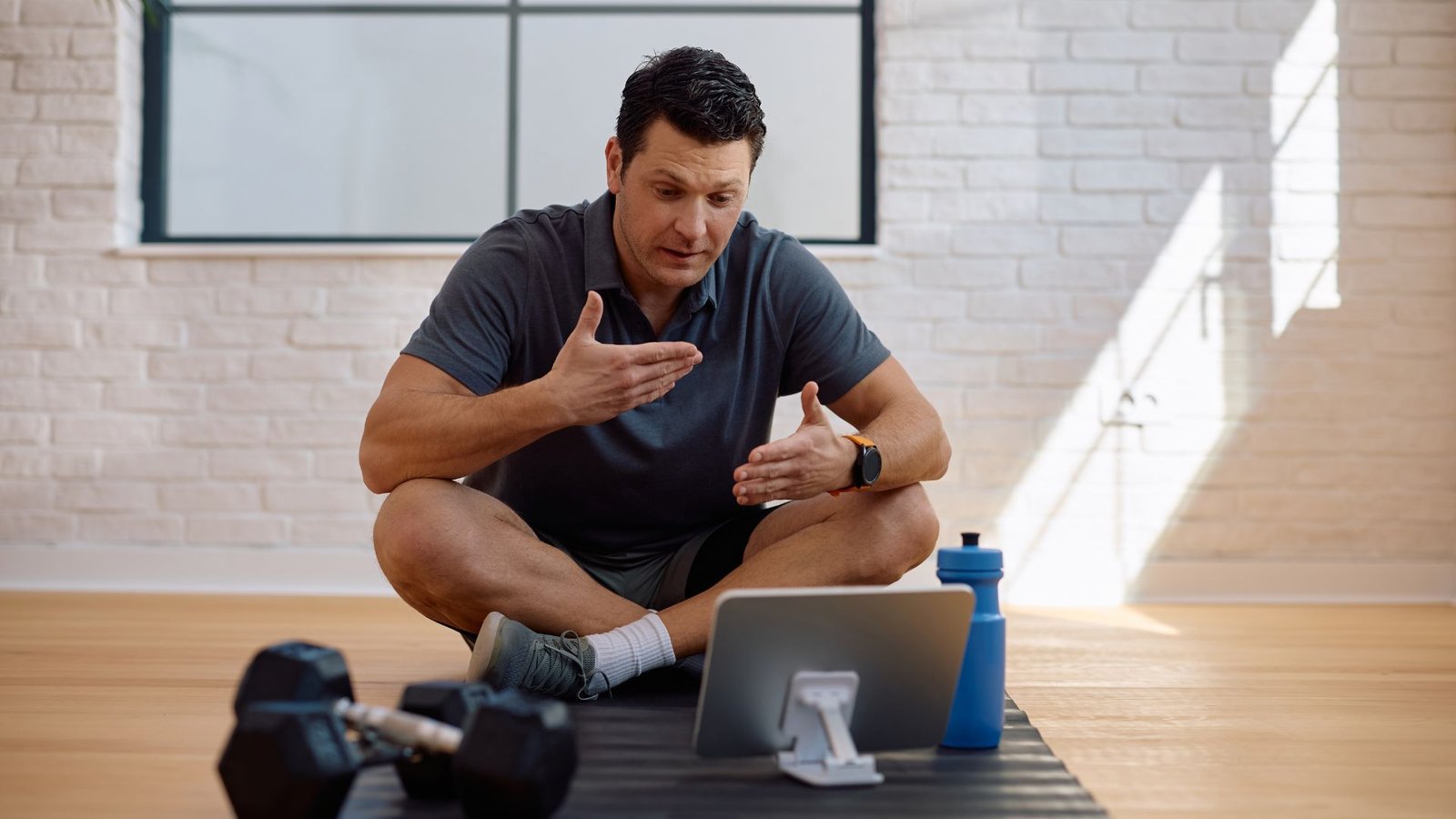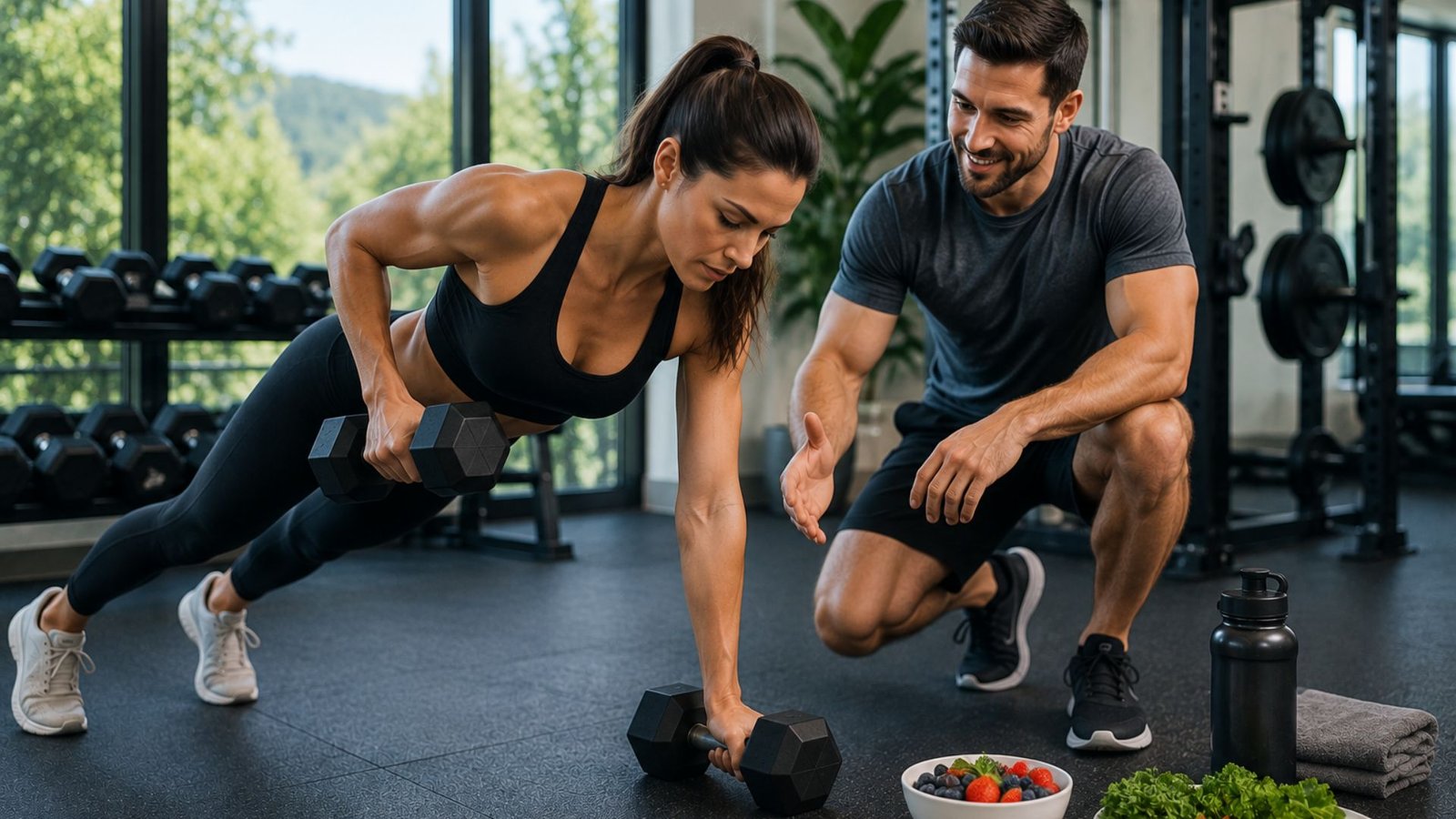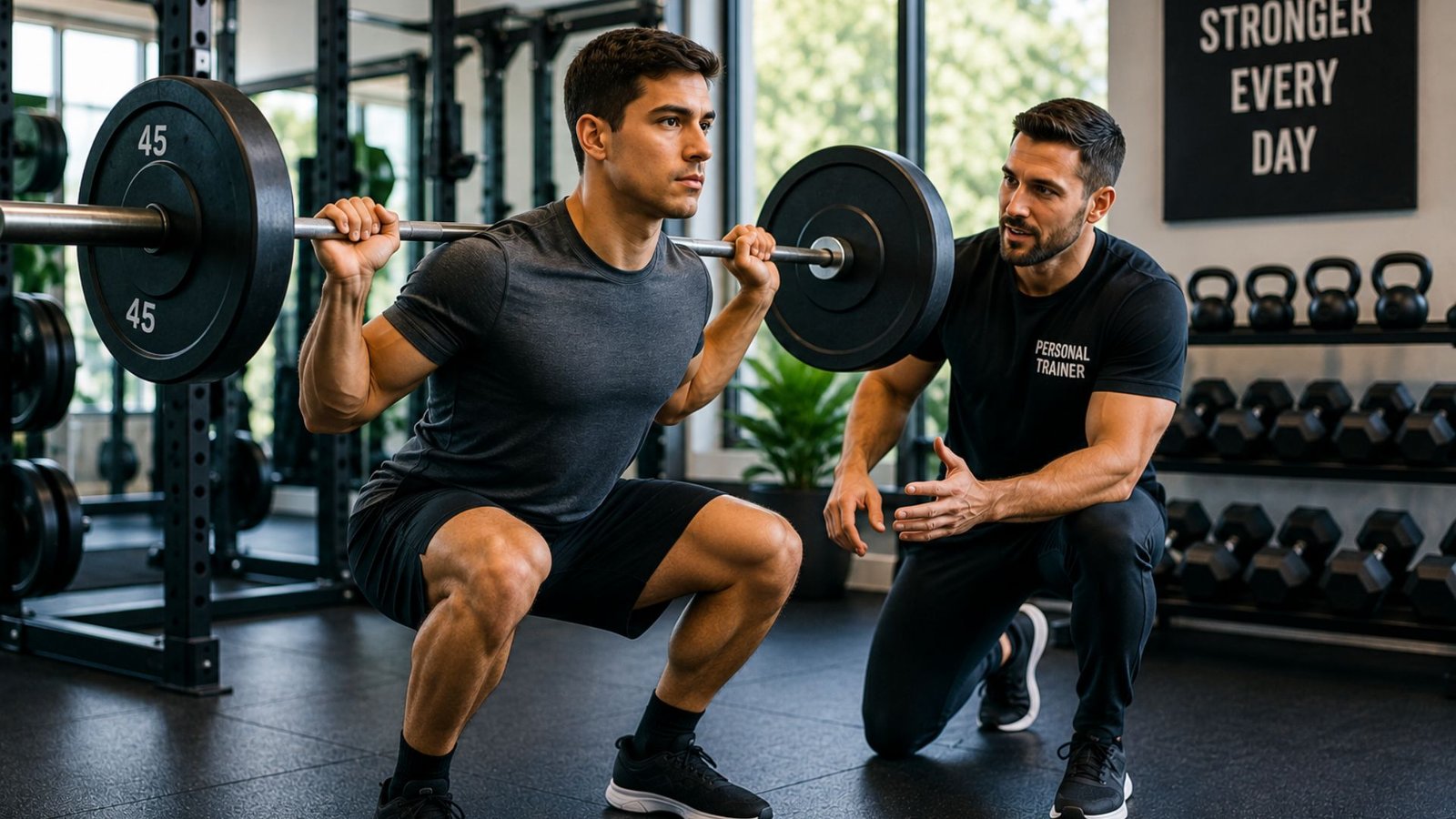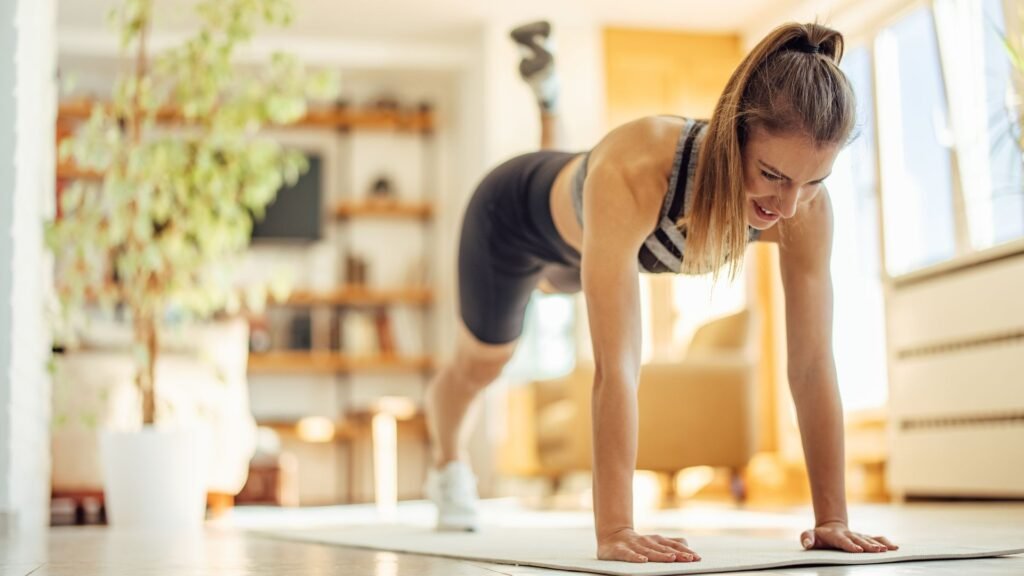
Starting a fitness routine can feel overwhelming, especially if you’re new to exercise or haven’t worked out in a long time. The good news is that you don’t need a gym, expensive equipment, or advanced workouts to improve your health. Exercise for beginners at home is one of the easiest and most effective ways to build strength, boost energy, and gain confidence at your own pace. With a simple approach and realistic expectations, you can create habits that last.
Why Exercise for Beginners at Home Works So Well
One of the biggest advantages of exercising at home is comfort. You can move without feeling watched, rushed, or pressured. This makes it easier to focus on learning proper form and listening to your body.
Exercise for beginners at home is also highly flexible. You can work out when it fits your schedule, even if you only have 15 to 30 minutes. This flexibility removes common barriers like travel time and busy routines, helping you stay consistent.
Most importantly, home workouts allow beginners to progress gradually. You control the pace, intensity, and duration, which is essential for avoiding burnout and injury.
What Beginners Should Know Before Starting
Before beginning any exercise routine, it’s important to adopt the right mindset. Progress doesn’t come from perfection—it comes from consistency. Small efforts repeated over time lead to meaningful results.
A proper warm-up prepares your muscles and joints for movement. Simple actions like marching in place, shoulder rolls, and gentle stretching can make a big difference. Cooling down after your workout helps reduce stiffness and supports recovery.
Exercise for beginners at home should feel challenging but not painful. Muscle fatigue is normal, but sharp pain is a sign to stop and rest.
Best Types of Exercise for Beginners at Home
Bodyweight Strength Exercises
Bodyweight exercises are ideal for beginners because they are safe, effective, and easy to modify. Squats, wall push-ups, glute bridges, and step-back lunges strengthen major muscle groups and improve balance.
These exercises help build a strong foundation and improve everyday movements like standing, walking, and lifting objects.
Low-Impact Cardio
Cardio supports heart health and helps improve stamina. For beginners, low-impact options are best. Walking in place, stepping side to side, light dancing, or beginner-friendly cardio routines are excellent choices.
Short sessions done consistently are more effective than long workouts done occasionally.
Core and Stability Exercises
Core strength supports posture and protects your lower back. Beginner-friendly core exercises such as seated knee lifts, standing torso rotations, and gentle floor movements help improve stability and coordination.
Including core work in your exercise for beginners at home routine can improve overall movement and reduce the risk of injury.
How to Structure a Beginner Home Workout
A simple structure keeps workouts approachable and sustainable. A beginner workout might include:
Five minutes of warm-up
Three to five basic strength exercises
Ten to fifteen minutes of light cardio
Five minutes of stretching or relaxation
This format keeps workouts between 20 and 30 minutes, making them easy to fit into daily life without feeling overwhelming.
How Often Should Beginners Exercise at Home?
For most beginners, exercising three to four times per week is a great starting point. This allows enough activity to see progress while giving your body time to recover.
As fitness improves, you can increase workout duration or add an extra session. Exercise for beginners at home should evolve gradually, not suddenly.
Common Beginner Mistakes to Avoid
One of the most common mistakes is trying to do too much too soon. Overtraining often leads to soreness, fatigue, and loss of motivation. Skipping rest days can slow progress rather than speed it up.
Another mistake is comparing yourself to others. Everyone starts at a different level, and progress looks different for each person. Exercise for beginners at home is about personal growth, not competition.
Inconsistent routines can also stall progress. Creating a simple schedule helps turn exercise into a habit.
Staying Motivated and Building Consistency
Motivation grows through action. Setting small, achievable goals such as completing three workouts per week can help build confidence. Tracking progress, even in simple ways, reinforces positive habits.
Choose a consistent time and space for workouts. Over time, exercise becomes part of your routine rather than something you have to force yourself to do.
Exercise for beginners at home should feel rewarding, not punishing. Celebrate small wins and focus on how movement improves your energy, mood, and confidence.
Start Your Home Fitness Journey Today
Exercise for beginners at home is one of the most powerful ways to improve your health in a safe, supportive, and flexible environment. If you’re ready to move beyond guesswork and want a clear plan designed for your fitness level and goals, now is the perfect time to take action. Contact a qualified fitness professional or explore guided beginner programs to build confidence, stay consistent, and create lasting results.