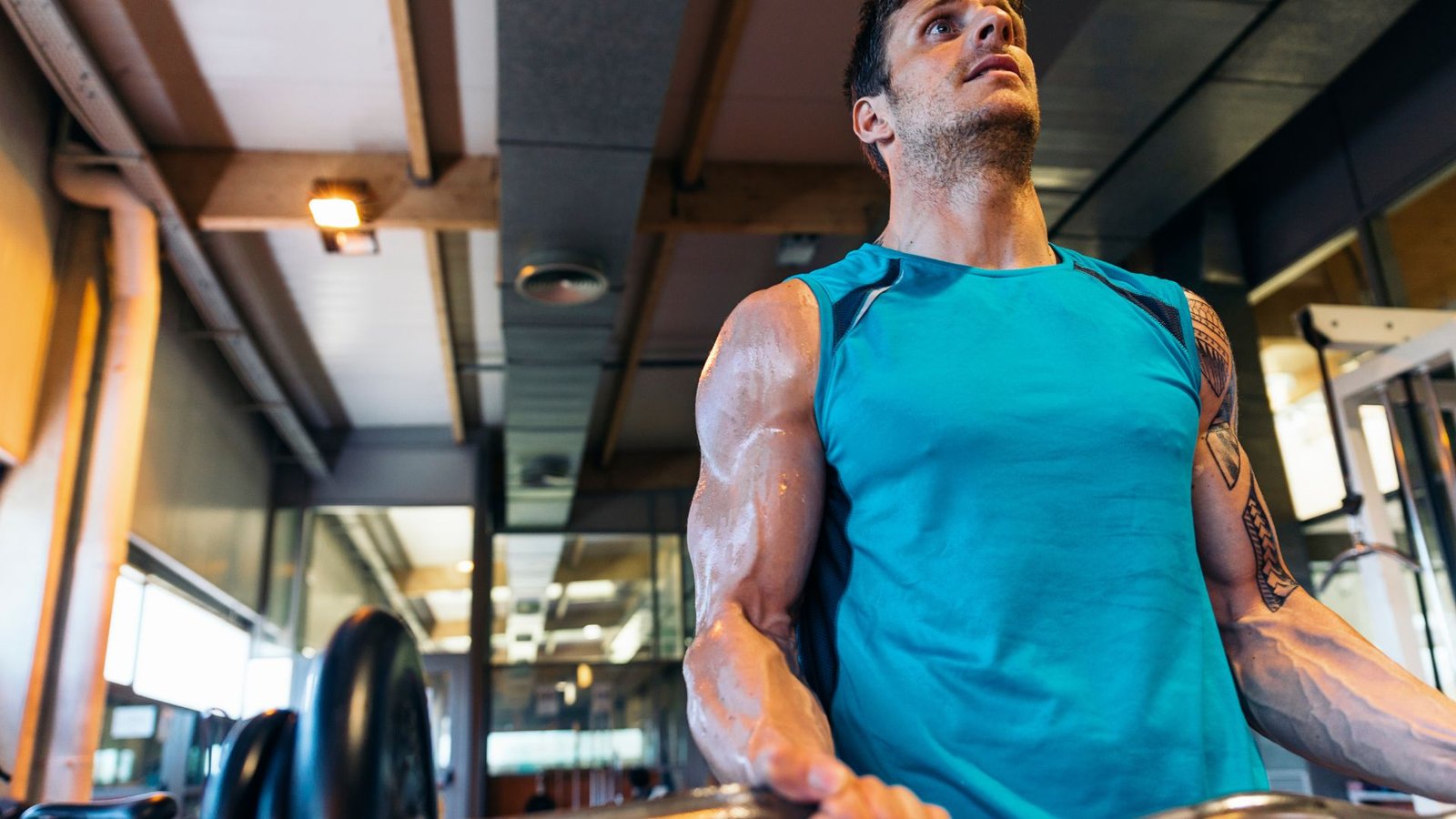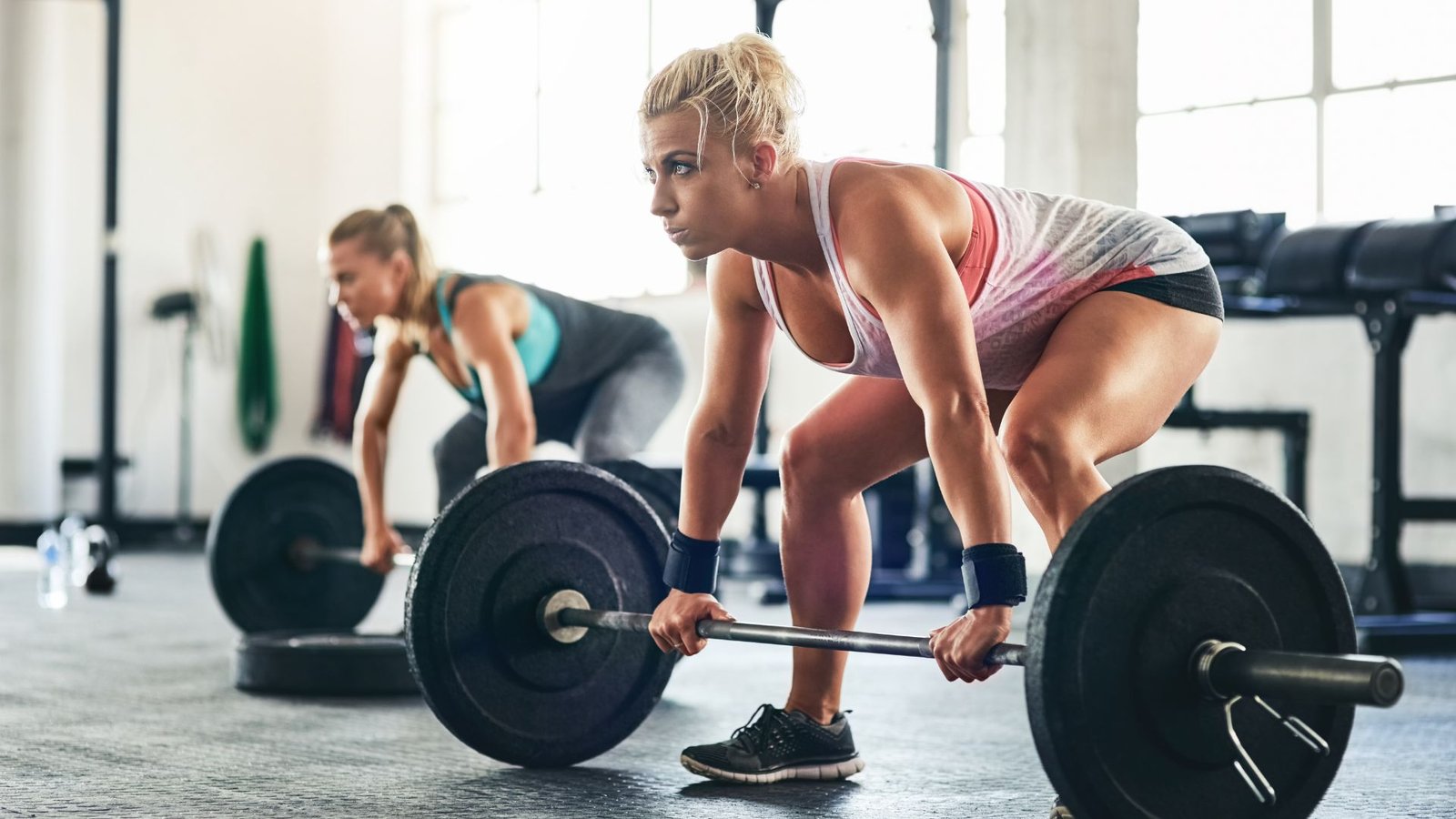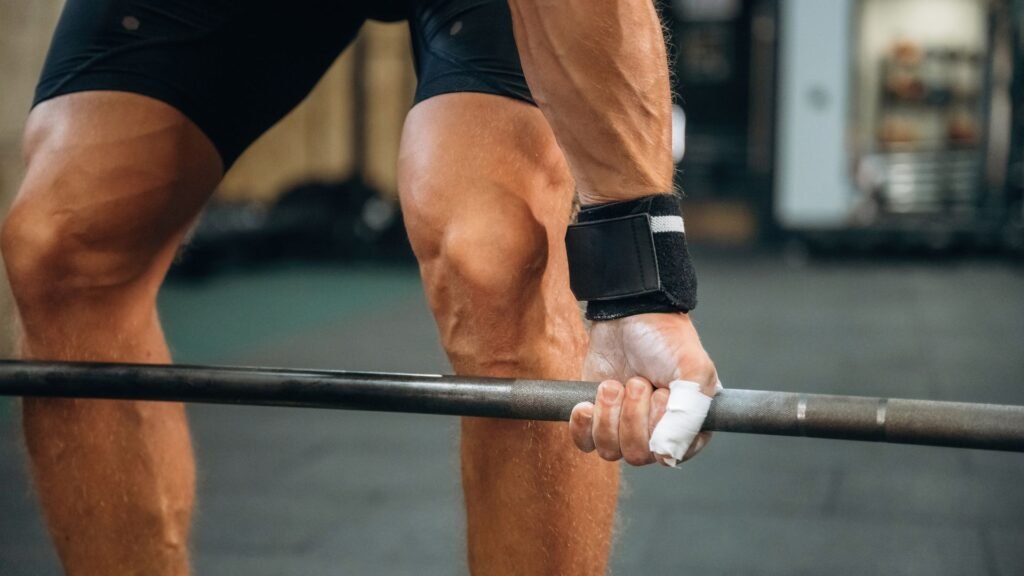
Grip strength often becomes the limiting factor in heavy lifts. You may feel your hands slipping during deadlifts or rows before your back and legs are fully fatigued. This is where straps for weight training can make a noticeable difference.
There is ongoing debate about whether lifting straps weaken grip or help improve it. When used strategically, straps for weight training can actually support long-term grip development while allowing you to train harder and lift heavier. Understanding how they work and when to use them is key to maximizing your results.
What Are Straps for Weight Training?
Straps for weight training are supportive accessories designed to wrap around your wrists and the barbell or dumbbell. They help secure your grip during pulling movements by reducing the demand placed solely on your fingers and forearms.
They are commonly used for exercises such as:
Deadlifts
Barbell rows
Pull-ups
Shrugs
Romanian deadlifts
By reinforcing your grip, straps allow you to maintain control of heavier loads without premature hand fatigue.
How Straps for Weight Training Enhance Grip Strength
At first glance, it may seem counterintuitive. If straps assist your grip, how can they improve it?
The answer lies in how they support progressive overload and overall muscular development.
1. Enabling Heavier Loads
When your grip fails before your larger muscle groups, you limit total strength development. Straps for weight training allow you to continue lifting heavier weights, stimulating greater muscle growth in your back, glutes, and hamstrings.
As your overall strength increases, your grip must adapt to support higher loads during non-strap exercises as well.
2. Increasing Training Volume
Muscle growth and strength gains are closely tied to total training volume. If you cut sets short because your hands are fatigued, your progress slows.
Using straps for weight training during your heaviest sets allows you to complete more repetitions and maintain proper form. This added volume contributes to improved neuromuscular strength, including grip endurance over time.
3. Reducing Overuse Fatigue
Excessive forearm fatigue can lead to poor technique and even strain. Straps help distribute the load more evenly between your wrists and hands, reducing the risk of overuse injuries.
This means you can train consistently without unnecessary setbacks.
Do Straps Weaken Natural Grip Strength?
Straps only weaken grip strength if they are overused. If you rely on them for every warm-up set and light lift, your grip muscles may not receive enough stimulation.
The best approach is strategic use:
Perform warm-up and moderate sets without straps
Use straps only for heavy working sets
Include dedicated grip-strength exercises
By balancing natural grip training with straps for weight training, you maintain strong hands while still progressing in heavy lifts.
Sample Weekly Training Plan
Here is an example of how to incorporate straps into your weekly routine effectively:
| Day | Workout Focus | Strap Usage |
|---|---|---|
| Monday | Back & Deadlifts | No straps for warm-up, straps for heavy sets |
| Tuesday | Chest & Triceps | Not required |
| Wednesday | Rest or Active Recovery | — |
| Thursday | Pull Day (Rows, Pull-ups) | Straps for final heavy sets |
| Friday | Legs | Optional for Romanian deadlifts |
| Saturday | Grip Training (Farmer’s Carries, Hangs) | No straps |
| Sunday | Rest | — |
This schedule ensures you develop grip strength while still benefiting from heavier lifts supported by straps.
Additional Ways to Build Grip Strength
To complement straps for weight training, incorporate exercises that directly target grip:
Farmer’s carries
Plate pinches
Dead hangs
Towel pull-ups
Static barbell holds
Training grip separately once or twice per week reinforces hand strength and endurance.
Common Mistakes to Avoid
Using straps on every set
Ignoring direct grip training
Wrapping straps incorrectly
Lifting beyond safe limits
Straps are tools designed to enhance performance, not replace fundamental strength development.
Why Serious Lifters Use Straps
Many experienced lifters use straps for weight training not because they lack grip strength, but because they want to push heavier loads safely.
When training for muscle growth or strength progression, your back and posterior chain are often capable of handling more weight than your hands can hold. Straps help bridge that gap.
By enabling progressive overload, increasing volume, and preventing grip from being the limiting factor, straps indirectly support stronger overall performance.
Train Smarter and Lift Stronger Today
Straps for weight training can be a powerful addition to your strength program when used correctly. They allow you to maximize heavy lifts while still maintaining and building grip strength through smart programming.
Elevate Your Strength Training Strategy
If grip fatigue is holding back your deadlifts or rows, start incorporating straps strategically into your routine. Pair heavy lifting with dedicated grip work and consistent progression.
Train with intention, use the right tools, and unlock your full strength potential starting today.