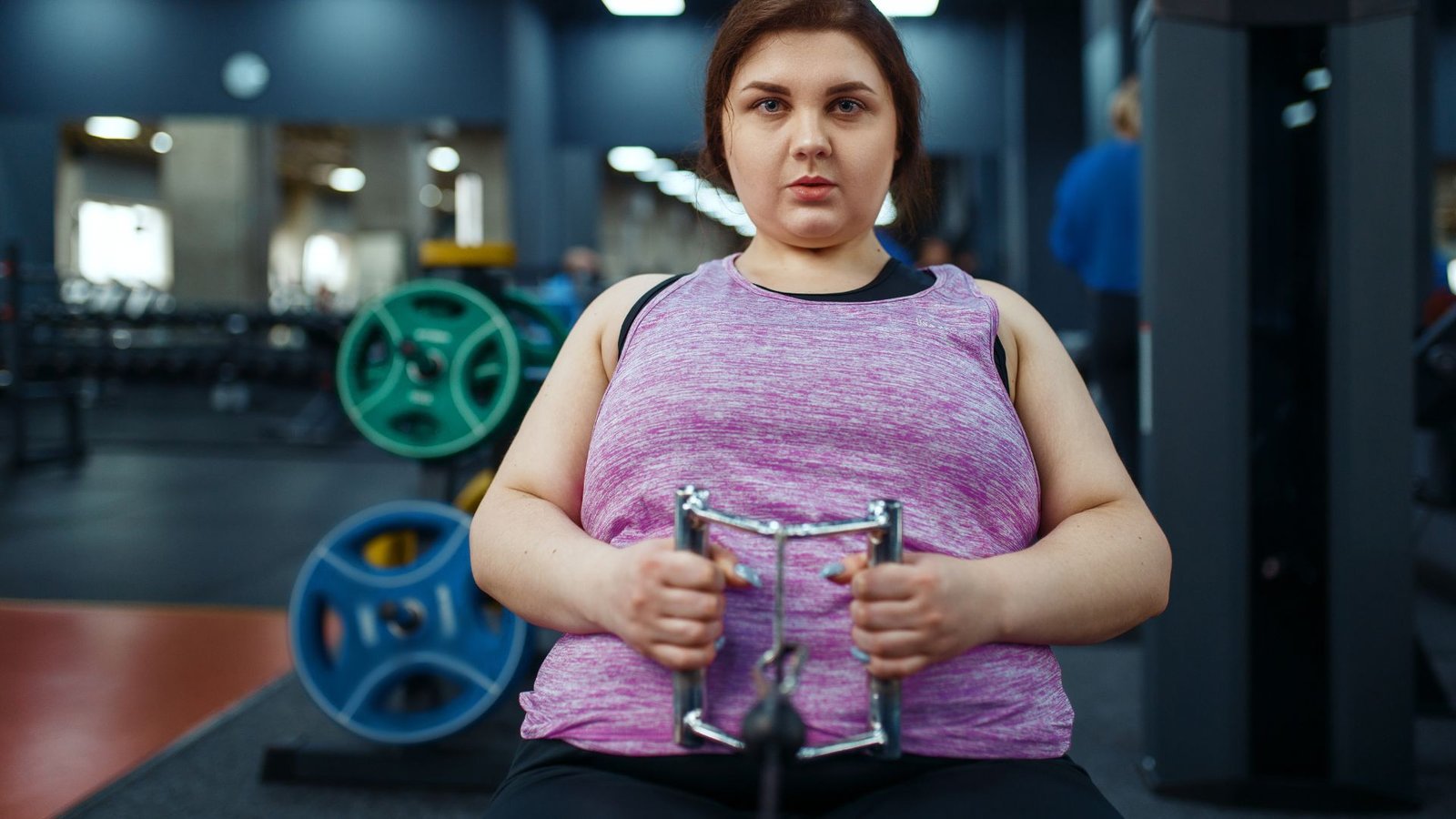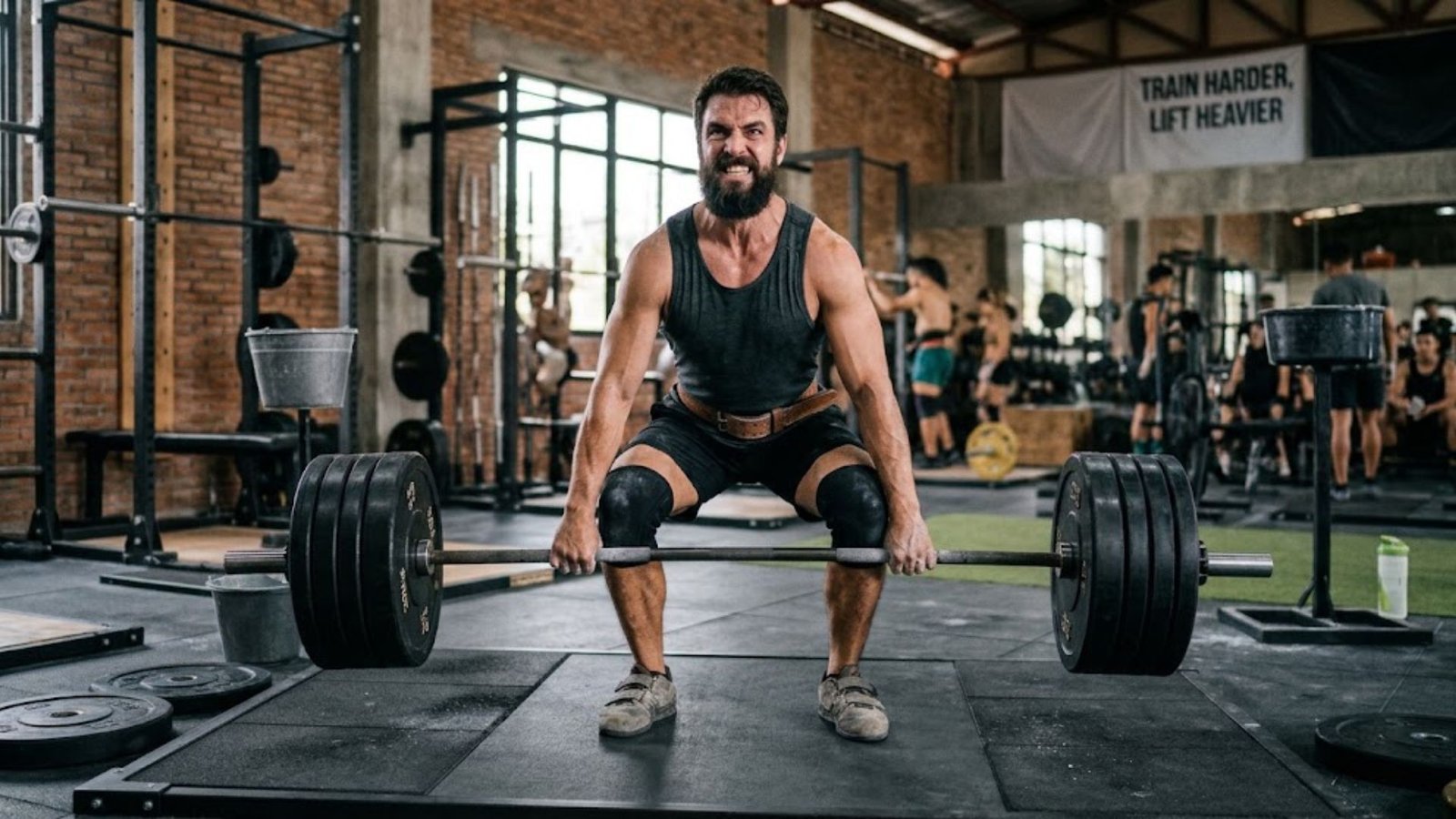
What is the best strength training program? The answer depends on your goals, fitness level, and lifestyle. However, the best strength training programs all share one thing in common: they are structured, progressive, and designed to help you become stronger over time.
Whether your goal is to build muscle, lose body fat, improve athletic performance, or simply feel stronger in everyday life, the right strength training program can help you achieve lasting results. For busy adults in San Rafael and Marin County, an effective program should also be sustainable and fit into a realistic schedule.
What Is Strength Training?
Strength training is a form of exercise that uses resistance to improve muscular strength, endurance, and overall fitness.
Common forms of strength training include:
- Free weights
- Resistance machines
- Bodyweight exercises
- Resistance bands
- Functional fitness training
The goal is to challenge your muscles so they adapt and become stronger over time.
What Is the Best Strength Training Program?
The best strength training program is one that:
- Matches your fitness level
- Focuses on progressive overload
- Includes compound exercises
- Allows adequate recovery
- Supports your personal goals
For most adults, a balanced full-body or upper/lower split program performed 3–4 times per week provides excellent results.
Key Components of the Best Strength Training Program
Progressive Overload
Progressive overload is the foundation of strength development.
This means gradually increasing:
- Weight lifted
- Number of repetitions
- Training volume
- Exercise difficulty
Without progression, your body has little reason to adapt and grow stronger.
Compound Exercises
The most effective strength programs prioritize compound movements.
Examples include:
- Squats
- Deadlifts
- Bench presses
- Pull-ups
- Rows
- Overhead presses
These exercises train multiple muscle groups simultaneously and maximize results.
Consistency
Even the perfect program won’t work if it’s not followed consistently.
The most successful trainees prioritize:
- Regular workouts
- Long-term commitment
- Sustainable habits
Consistency always beats perfection.
Why Strength Training Is Important
Builds Lean Muscle
Strength training stimulates muscle growth, helping improve body composition and metabolism.
Supports Fat Loss
More muscle mass means your body burns more calories throughout the day.
Improves Bone Health
Resistance training helps maintain and improve bone density, which becomes increasingly important with age.
Enhances Daily Function
Strength training improves movement patterns used in everyday activities such as lifting, carrying, climbing stairs, and maintaining good posture.
Best Strength Training Program for Beginners
Full-Body Training
Beginners often achieve excellent results with full-body workouts performed three times per week.
Sample Weekly Schedule:
Monday
- Squats
- Push-Ups
- Rows
- Plank
Wednesday
- Deadlifts
- Dumbbell Press
- Lat Pulldown
- Core Work
Friday
- Lunges
- Shoulder Press
- Seated Row
- Farmer Carries
This approach allows frequent practice while promoting recovery.
Best Strength Training Program for Intermediate Lifters
As experience increases, many people benefit from additional training volume.
Upper/Lower Split Example
Day 1: Upper Body
- Bench Press
- Rows
- Pull-Ups
- Shoulder Press
Day 2: Lower Body
- Squats
- Deadlifts
- Lunges
- Core Exercises
Day 3: Rest
Day 4: Upper Body
Day 5: Lower Body
This structure allows greater training intensity while maintaining recovery.
How Often Should You Strength Train?
For most adults:
Beginners
- 2–3 sessions per week
Intermediate Lifters
- 3–4 sessions per week
Advanced Lifters
- 4–6 sessions per week
More isn’t always better. Recovery is a critical part of progress.
Nutrition for Strength Gains
Prioritize Protein
Protein supports muscle recovery and growth.
Quality protein sources include:
- Chicken
- Fish
- Eggs
- Greek yogurt
- Lean beef
- Plant-based proteins
Eat Enough Calories
If building muscle is your goal, you may need a slight calorie surplus.
If fat loss is the goal, maintain a moderate calorie deficit while continuing strength training.
Stay Hydrated
Proper hydration supports:
- Performance
- Recovery
- Muscle function
Common Strength Training Mistakes
Skipping Compound Movements
Isolation exercises have value, but compound lifts should form the foundation of your program.
Training Without a Plan
Random workouts often produce inconsistent results.
A structured program provides measurable progression.
Poor Recovery
Many people underestimate the importance of:
- Sleep
- Nutrition
- Rest days
Recovery is when adaptation occurs.
Lifting Too Heavy Too Soon
Focus on proper form before increasing weight.
Good technique reduces injury risk and improves long-term progress.

Practical Tips for Better Results
1. Track Your Progress
Record:
- Weight lifted
- Sets and reps
- Strength improvements
2. Focus on Form
Quality movement patterns produce better results and reduce injury risk.
3. Be Patient
Strength gains occur gradually. Focus on steady improvement over time.
4. Prioritize Recovery
Aim for:
- 7–9 hours of sleep
- Adequate protein intake
- Rest days between intense sessions
FAQ
What is the best strength training program for beginners?
A full-body program performed three times per week is often the most effective starting point.
How many days per week should I strength train?
Most adults achieve excellent results with 3–4 strength training sessions weekly.
Can strength training help with weight loss?
Yes. Strength training helps preserve muscle while increasing calorie expenditure and improving metabolism.
How long does it take to get stronger?
Many people notice strength improvements within 2–4 weeks of consistent training.
Should I do cardio with strength training?
Yes. Combining strength training with cardiovascular exercise supports overall health and fitness.
Conclusion
So, what is the best strength training program? The best program is one that aligns with your goals, challenges your muscles through progressive overload, includes compound movements, and fits your lifestyle. Whether you’re looking to build muscle, lose fat, or improve overall health, consistency and smart programming are the keys to success.
By following a structured approach and focusing on long-term progress, you can build strength safely and effectively while creating sustainable fitness habits that last for years.
Build Strength Faster with Expert Coaching and Personalized Programming
Ready to stop guessing and start making real progress? At San Rafael Personal Training, we create customized strength training programs designed around your goals, fitness level, and schedule.
Whether you’re a beginner looking for guidance or an experienced lifter seeking better results, our expert coaches provide the accountability, structure, and support needed to help you succeed. Contact San Rafael Personal Training today and discover the difference a personalized strength training plan can make.