The best fat loss program is one that helps you lose body fat while maintaining muscle, improving fitness, and building habits you can sustain. If your goal is to look leaner, feel stronger, or improve your overall health, you don’t need an extreme workout routine or a restrictive diet. You need a structured plan that fits your fitness level, lifestyle, and personal goals.
For most adults, an effective fat loss program combines strength training, cardiovascular exercise, balanced nutrition, adequate sleep, and consistent daily movement. The exact combination depends on your starting point, available time, and individual needs.
At San Rafael Personal Training, a personalized approach can help you focus on realistic progress rather than quick fixes. Understanding what makes a program effective is the first step toward choosing a routine you can follow with confidence.
What Makes a Fat Loss Program Effective?
Not every program is designed for the same person. Some focus heavily on cardio, while others emphasize resistance training, nutrition, or a combination of methods. The best option is one that supports your goals without making your routine unnecessarily difficult to maintain.
An effective fat loss program should include:
A manageable calorie deficit: Consuming slightly fewer calories than your body uses can support fat loss over time.
Regular strength training: Resistance exercises help preserve muscle as you lose weight.
Cardiovascular activity: Walking, cycling, swimming, and other aerobic exercises support heart health and increase energy expenditure.
Adequate protein: Protein helps support muscle maintenance and recovery.
Sufficient recovery: Sleep and rest days help you maintain performance and consistency.
A realistic schedule: Your routine should work with your job, family responsibilities, and other commitments.
Progress doesn’t have to be dramatic every week. A program that produces steady, manageable improvements is often more useful than one that promises rapid results but is difficult to sustain.
What Is the Best Type of Workout for Fat Loss?
There isn’t one workout that works best for everyone. Combining strength training and cardiovascular exercise is a practical strategy for many people because each offers different benefits.
1. Strength Training to Preserve Muscle
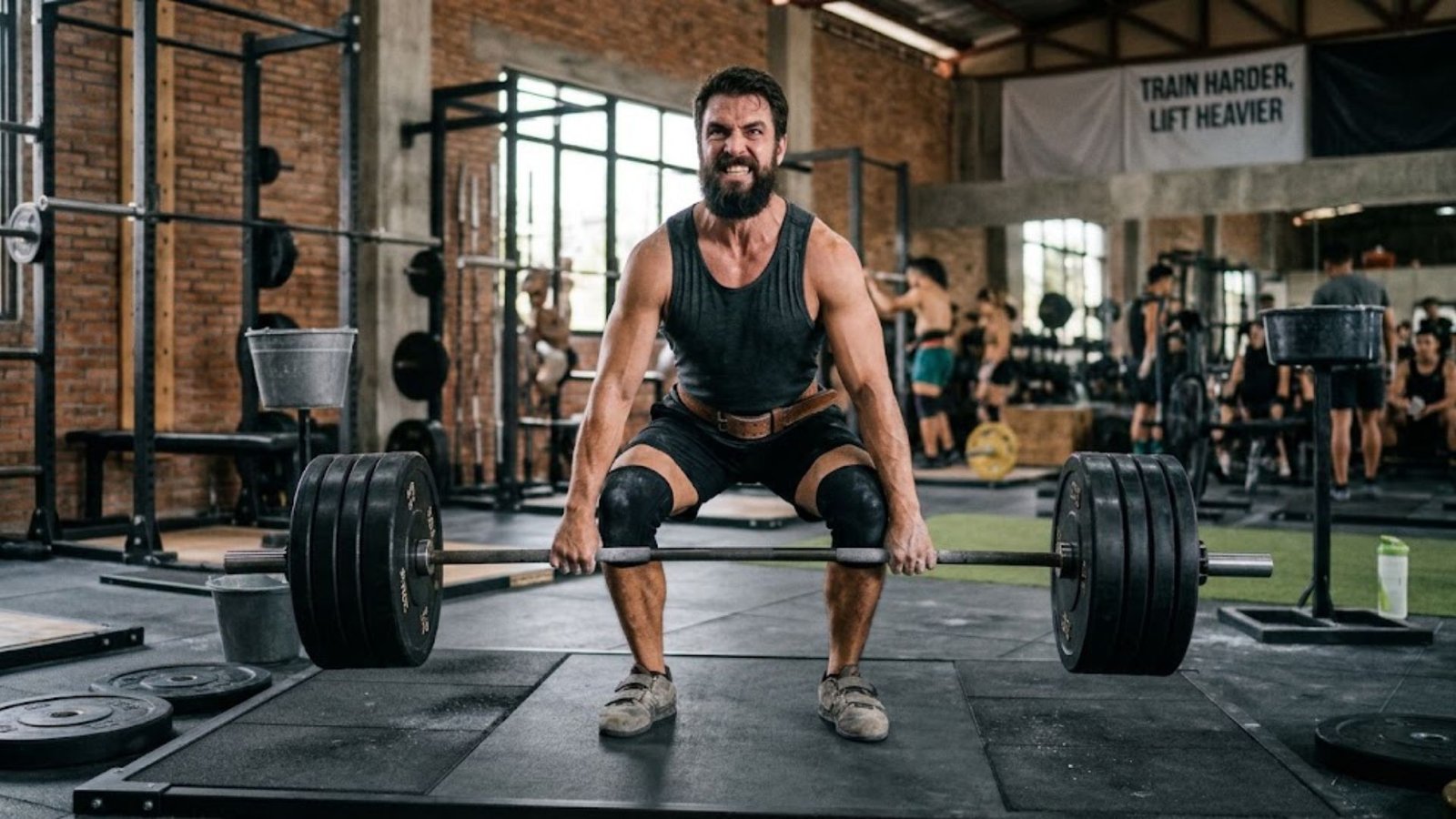
Strength training should be an important part of many fat loss programs. When you reduce body fat, resistance training helps you maintain muscle and improve strength.
You can train with free weights, resistance machines, resistance bands, or bodyweight exercises. Beginners can start with two or three sessions per week and gradually increase the challenge as their fitness improves.
Useful exercises include:
Squats or chair squats
Lunges or step-ups
Chest presses or push-ups
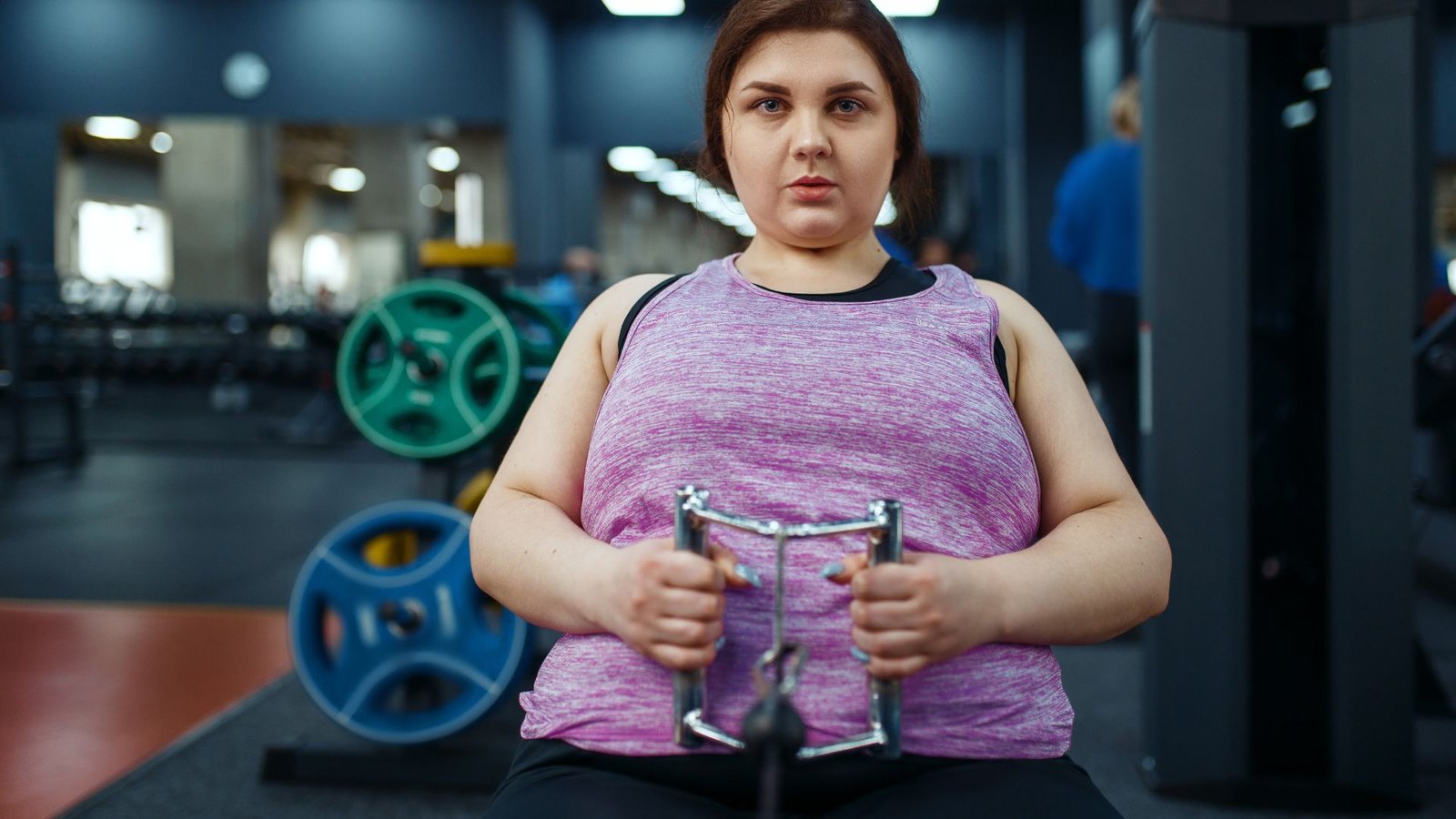
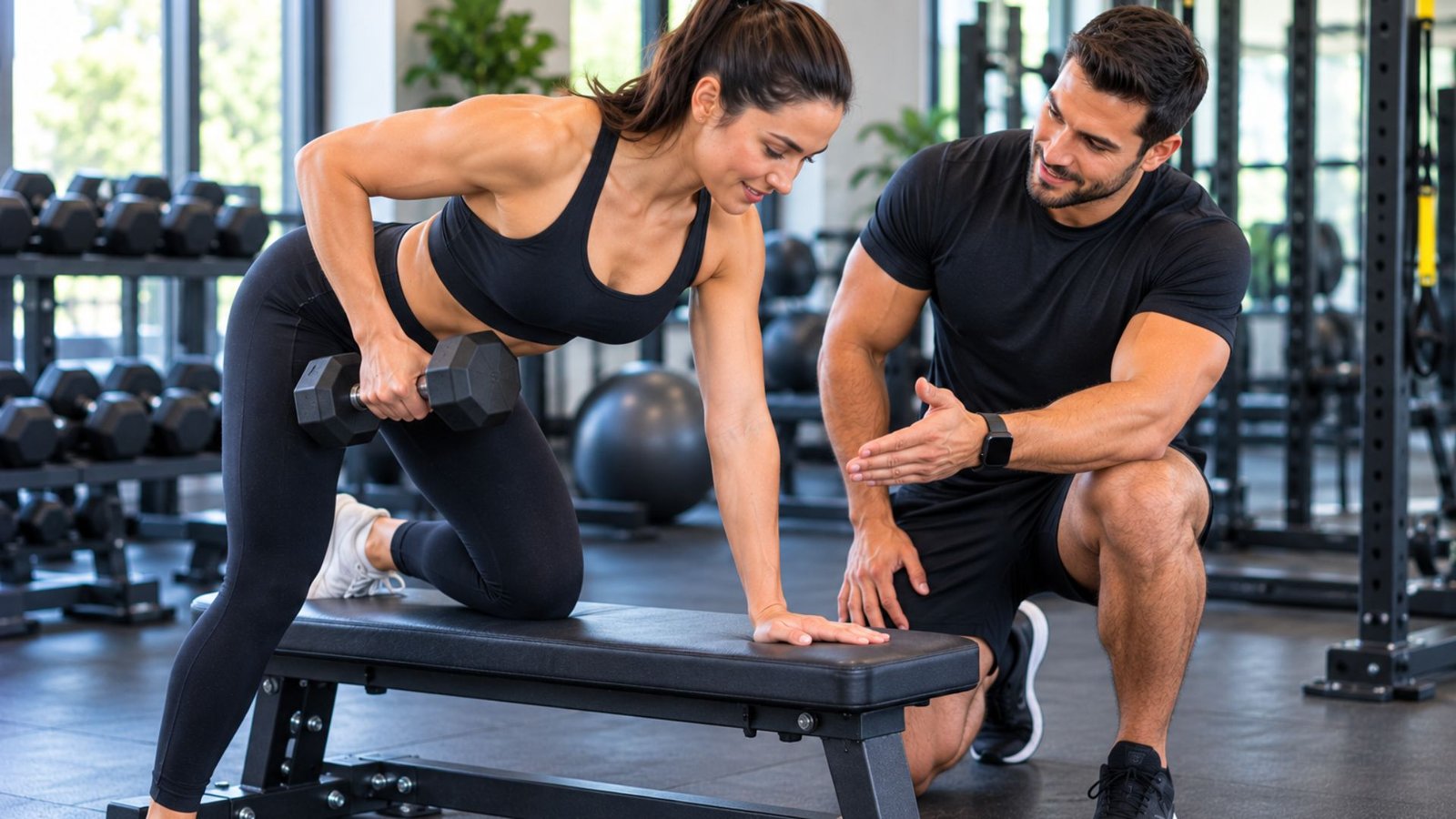
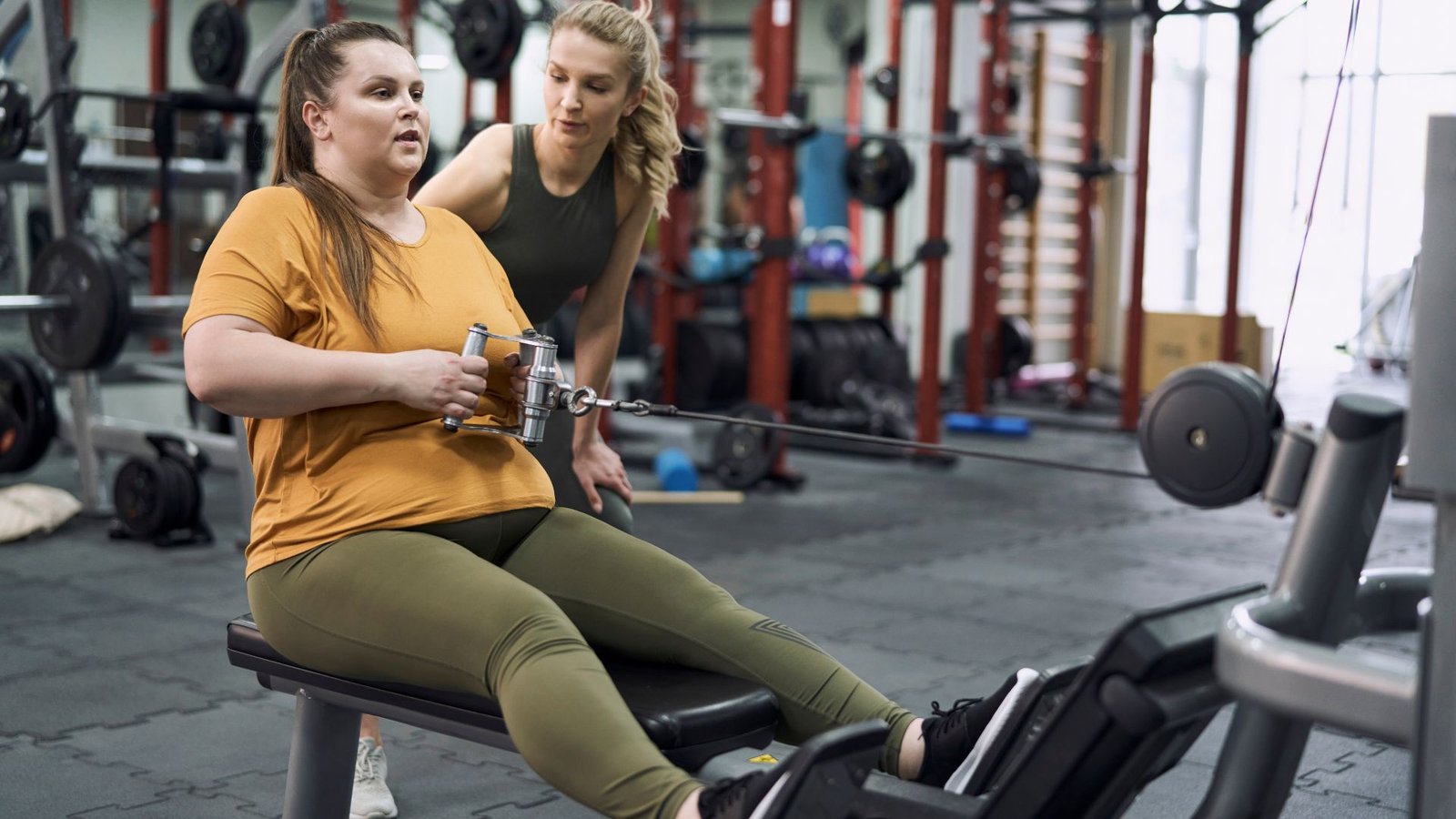
Rows for the back
Hip hinges and glute bridges
Core exercises such as planks
Choose exercises that suit your ability and use a manageable level of resistance. Focus on good technique before increasing weight or repetitions.
2. Cardio to Support Calorie Expenditure
Cardiovascular exercise helps improve endurance and heart health while contributing to the energy your body uses throughout the day.
You don’t have to perform intense workouts to get benefits. Walking, cycling, swimming, dancing, and using an elliptical machine can all be effective options.
Start with activities you enjoy and increase your duration or intensity gradually. For general health, adults are advised to aim for at least 150 minutes of moderate-intensity aerobic activity per week, alongside muscle-strengthening activities on at least two days.
If you’re new to exercise, shorter sessions spread throughout the week can make it easier to establish a consistent habit.
3. Everyday Movement for Consistent Progress
Your scheduled workouts are only one part of your daily activity. Walking more often, taking movement breaks, using the stairs, and doing household tasks can increase your overall energy expenditure.
These small activities may seem less significant than a gym session, but they can help you maintain an active lifestyle without requiring additional intense workouts.
Choose a daily movement target that is realistic for you. If you spend much of the day sitting, begin by adding short walks and gradually build from there.
What Should You Eat During a Fat Loss Program?
Nutrition plays a major role in fat loss. Exercise supports your health and fitness, but long-term fat loss generally requires a consistent calorie deficit.
That doesn’t mean you need to skip meals, eliminate entire food groups, or follow an extremely restrictive diet. A balanced approach can help you manage hunger, maintain energy, and support your workouts.
Prioritize Protein
Protein helps maintain muscle during weight loss and supports recovery after exercise. Include sources such as eggs, fish, chicken, lean meat, tofu, beans, yogurt, or other foods that fit your dietary preferences.
Your individual protein needs depend on factors such as body size, activity level, age, and health status.
Choose Filling, Nutrient-Dense Foods
Build meals around vegetables, fruit, whole grains, protein sources, and healthy fats. Foods rich in fiber and protein can help you feel satisfied, making it easier to follow your eating plan.
You don’t need to avoid every food you enjoy. A flexible approach that allows occasional treats may be easier to maintain than a list of strict food rules.
Manage Portions Without Extreme Restriction
Portion awareness can help you understand how much you’re eating without requiring you to track every calorie. Some people find calorie tracking useful, while others prefer structured meals and simple portion guidelines.
The best method is one you can use comfortably and consistently. If tracking food becomes stressful or encourages unhealthy eating patterns, consider a less restrictive approach and seek qualified guidance when needed.
For additional guidance, explore these effective weight loss strategies for building sustainable habits around nutrition and activity.
What Is the Best Fat Loss Program for Beginners?
If you’re just starting, choose a simple program that develops your fitness gradually. Trying to change your diet, exercise every day, and dramatically increase your activity at the same time can feel overwhelming.
A beginner-friendly plan might look like this:
Monday: Full-body strength training
Tuesday: Brisk walking or another comfortable cardio activity
Wednesday: Rest or gentle movement
Thursday: Full-body strength training
Friday: Walking, cycling, or swimming
Saturday: An enjoyable physical activity
Sunday: Rest and prepare for the upcoming week
This schedule is only an example. You can adjust the days and activities to suit your experience and recovery needs. If two strength sessions feel challenging at first, begin with shorter workouts and build gradually.
Track more than the number on the scale. Your energy levels, strength, endurance, waist measurements, clothing fit, and consistency can also help you evaluate progress.
How Do You Choose the Best Fat Loss Program for Your Goals?
The right program should reflect what you want to achieve and what you can realistically maintain.
If Your Goal Is to Lose Weight
Focus on sustainable eating habits, regular activity, and a manageable calorie deficit. Monitor your progress over several weeks rather than judging your results by daily weight changes.
If You Want to Lose Fat and Build Muscle
Prioritize resistance training, adequate protein, and recovery. Beginners and people returning to exercise may be able to gain muscle while losing fat, although results vary.
For more information about combining muscle development with effective training, read our guide on how to build muscle fast.
If You Have a Busy Schedule
Choose shorter workouts, flexible training days, and activities you can perform consistently. Two or three well-planned strength sessions and regular walking may be more practical than a demanding daily schedule.
If you need guidance that fits around your commitments, online personal training may help you follow a structured routine with remote coaching and support.
If You Want to Focus on Specific Areas
Exercises can strengthen particular muscles, but they cannot reliably remove fat from only one area of the body. Overall fat loss depends on your energy balance, genetics, and other individual factors.
For example, glute exercises can develop the muscles in your hips and buttocks, but they do not selectively burn fat from that area. A balanced training plan is a better foundation for improving overall body composition.
How Long Does It Take to See Fat Loss Results?
Fat loss takes time, and results vary from person to person. Your starting weight, eating habits, activity level, sleep, stress, medications, and health conditions can all influence your progress.
Some people notice changes in energy or fitness before seeing major physical changes. Body weight can also fluctuate from day to day because of water retention, digestion, and other normal processes.
Instead of expecting a dramatic transformation within a few weeks, focus on following your plan consistently and reviewing trends over time.
If your progress stalls, assess your eating habits, activity levels, sleep, and workout routine before making major changes. Avoid extreme calorie restriction or excessive exercise in an attempt to speed up results.
Frequently Asked Questions
What is the fastest way to lose body fat?
The most effective approach is usually a sustainable calorie deficit combined with strength training, regular cardiovascular activity, adequate protein, and sufficient sleep. Extremely restrictive diets may be difficult to maintain and can increase the risk of losing muscle or developing nutritional deficiencies.
Is cardio or strength training better for fat loss?
Both can help. Cardio supports cardiovascular health and increases energy expenditure, while strength training helps preserve muscle during weight loss. Combining them is a practical option for many people.
Can I lose fat without going to the gym?
Yes. Walking, bodyweight exercises, resistance bands, home workouts, and balanced nutrition can support fat loss without a gym membership. Your routine should provide an appropriate challenge and fit your circumstances.
Should I follow a fat loss program every day?
Yes. Walking, bodyweight exercises, resistance bands, home workouts, and balanced nutrition can support fat loss without a gym membership. Your routine should provide an appropriate challenge and fit your circumstances.
Should I follow a fat loss program every day?
You can stay active every day, but you don't need intense workouts daily. Plan recovery days and alternate demanding sessions with lighter activities to help manage fatigue.
What is the best fat loss program for women?
The best program for women depends on individual goals, experience, preferences, and health needs. A balanced plan that includes strength training, cardiovascular exercise, adequate nutrition, and recovery can support sustainable fat loss. Explore our guide to the best fat loss program for women for more specific advice.
Find a Fat Loss Program That Fits Your Life
The best fat loss program isn’t the most extreme or complicated. It’s a balanced plan that helps you build strength, stay active, eat in a way that supports your goals, and recover properly.
Start with a manageable schedule, choose exercises you enjoy, and make small improvements you can sustain. As your fitness develops, you can adjust your training and nutrition to continue progressing.
At San Rafael Personal Training, personalized coaching can help you build a routine around your goals, fitness level, and schedule. Contact San Rafael Personal Training to explore a training plan designed to support your long-term progress.