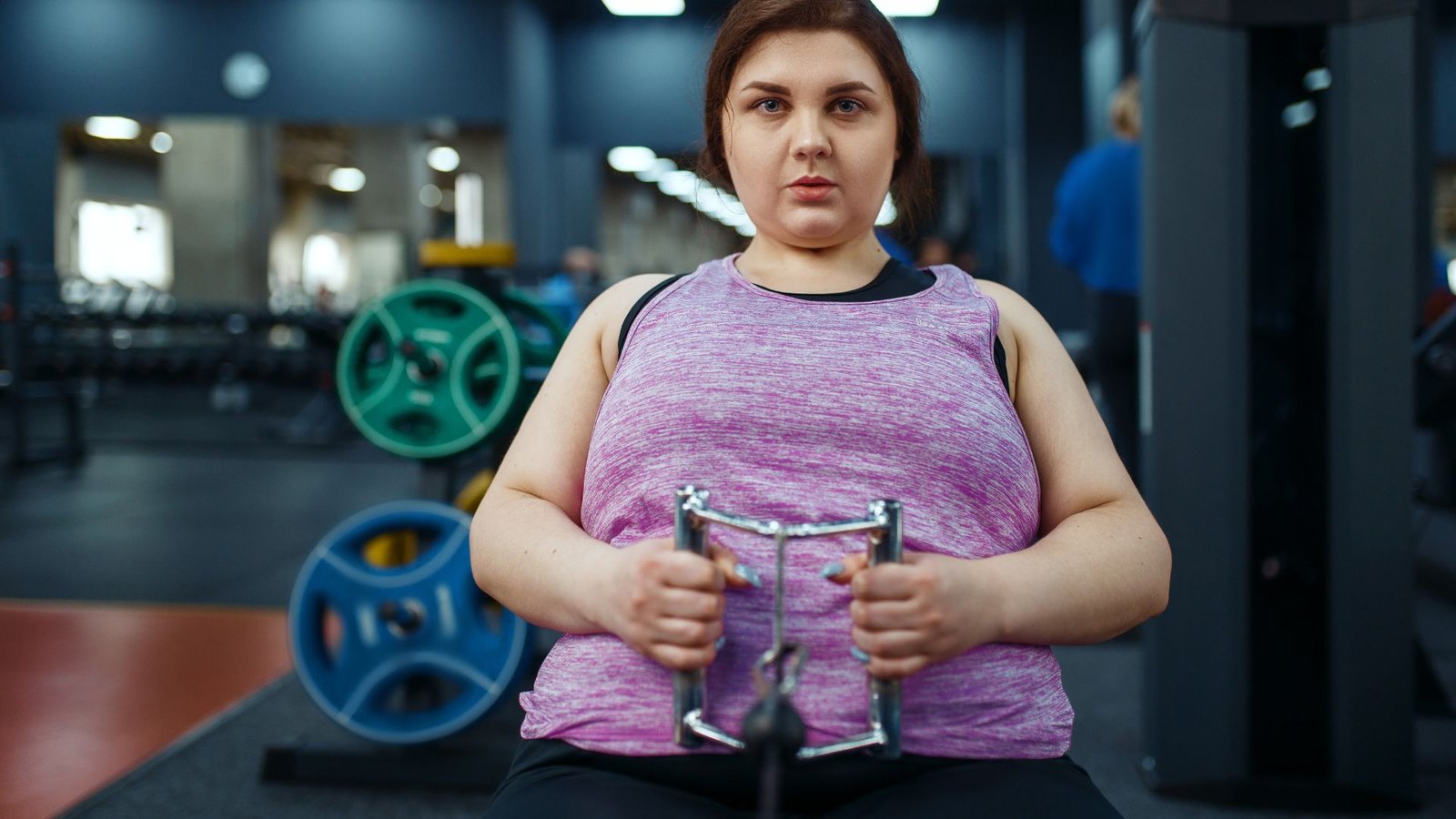
If you’re starting a fitness journey or trying to improve your results, you may be wondering, how often should you work with a personal trainer? The right schedule depends on your fitness goals, experience, budget, availability, and how comfortable you are exercising independently.
For many people, working with a personal trainer one to three times per week can provide a helpful balance of professional guidance, accountability, and independent practice. Beginners may benefit from more frequent sessions while learning proper technique, while experienced exercisers may only need occasional coaching to refine their routines.
The goal isn’t necessarily to meet with a trainer every day. It’s to find a schedule that helps you exercise safely, build confidence, and make consistent progress.
How Many Times a Week Should You See a Personal Trainer?
There is no single schedule that works for everyone. Your ideal training frequency should reflect what you want to accomplish and how much support you need.
Once a Week: Guidance and Accountability
One session per week can be a practical option if you’re comfortable exercising independently or working within a limited budget.
During a weekly session, your trainer can review your technique, introduce new exercises, adjust your workout plan, and help you address challenges. You can then practice the program on your own between appointments.
This approach works particularly well for people who already understand basic exercise movements and can follow instructions independently.
Best for: People with some exercise experience, busy schedules, or a limited training budget.
Twice a Week: Structure and Consistency
Two sessions per week can offer a strong balance between professional guidance and independent workouts. You’ll have regular opportunities to practice movements, receive feedback, and stay accountable.
For example, you might meet with your trainer on Monday and Thursday, completing additional walking or independent exercise sessions on other days.
This schedule can be especially helpful for beginners who want to develop good habits without feeling overwhelmed.
Best for: Beginners, people returning to exercise, and those working toward strength, fat loss, or general fitness goals.
Three Times a Week: More Hands-On Support
Training with a personal trainer three times per week provides more frequent feedback and structure. Your trainer can organize sessions around different muscle groups or use full-body workouts, depending on your goals and recovery needs.
This schedule may be useful if you’re learning several new exercises, preparing for a specific fitness milestone, or struggling to maintain consistency on your own.
However, more sessions aren’t automatically better. Your workouts still need to be balanced with rest, nutrition, sleep, and independent activity.
Best for: People who want regular coaching, beginners who need close guidance, and clients following a structured training program.
Four or More Times a Week: Specialized Goals
Some clients benefit from four or more coached sessions per week, particularly when preparing for a demanding athletic goal or following a specialized program.
This level of support can be valuable, but it isn’t necessary for most people. It also requires a suitable budget and a training plan that accounts for recovery.
For general fitness, a combination of coached sessions and independent workouts may be sufficient.
Best for: Experienced exercisers, athletes, or individuals with specific goals that require more frequent professional supervision.
How Often Should You Work With a Personal Trainer for Weight Loss?
If your primary goal is losing body fat, one to three personal training sessions per week can provide structure and help you stay consistent.
However, weight loss depends on more than the number of times you meet with a trainer. Nutrition, daily activity, sleep, and long-term habits all influence your results.
A trainer can help you build a sustainable exercise routine that combines strength training with appropriate cardiovascular activity. They can also help you track performance and adjust your workouts as your fitness improves.
For more guidance on building sustainable habits, explore these effective weight loss strategies.
Remember that you don’t have to exercise intensely every day to make progress. Regular walking, balanced meals, and a realistic schedule can complement your coached sessions.
How Often Should You See a Trainer to Build Muscle?
If you want to build muscle, the right training frequency depends on your experience, workout volume, and ability to recover.
For many people, two or three coached sessions per week provide enough opportunities to learn exercises, train major muscle groups, and gradually increase resistance.
Your trainer can help you apply progressive overload by adjusting weights, repetitions, sets, or exercise difficulty as you become stronger.
Between sessions, you may complete additional workouts independently if your program calls for them. Allow enough recovery between demanding sessions that target the same muscles.
If muscle development is your primary goal, our guide on how to build muscle fast provides additional information about effective training habits.
Is One Personal Training Session a Week Enough?
Yes. One session per week can be useful, especially when you follow a structured plan between appointments.
During your session, your trainer can:
Check your exercise technique.
Review your progress and challenges.
Adjust weights, repetitions, or exercises.
Help you set goals for the coming week.
Keep you accountable to your routine.
To get the most out of weekly coaching, be prepared to practice your assigned workouts independently. If you rarely exercise between sessions, progress may be slower than it would be with a more consistent overall routine.
If you’re new to exercise or have difficulty performing movements safely on your own, you may benefit from meeting more frequently at first.
What Factors Determine Your Ideal Training Frequency?
Before choosing a schedule, consider the following factors.
1. Your Fitness Experience
Beginners often need more guidance when learning exercise technique, selecting weights, and organizing workouts. As you gain confidence, you may be able to train independently more often.
Experienced exercisers may prefer occasional sessions to review technique, overcome plateaus, or refine their programming.
2. Your Fitness Goals
Your goal influences how much coaching may be useful.
Weight loss: Regular coaching can help you establish a manageable workout routine and stay accountable.
Muscle building: Consistent strength training and gradual progression are important.
General fitness: One or two coached sessions may provide enough structure alongside other activities.
Sports performance: Your schedule may require specialized programming and closer coordination with other training.
3. Your Schedule and Budget
The best program is one you can realistically maintain. Consider your work commitments, family responsibilities, travel time, and training budget before booking sessions.
If frequent in-person appointments are difficult, online personal training may offer a flexible alternative for receiving workouts, guidance, and accountability remotely.
4. Your Recovery Needs
Training frequency must also account for how well you recover. Sleep, nutrition, stress, age, health conditions, and workout intensity can all affect your ability to handle exercise.
Persistent fatigue, declining performance, or soreness that interferes with normal movement may indicate that your program needs adjustment.
A qualified trainer can help modify your schedule, although medical concerns or persistent pain should be assessed by an appropriate healthcare professional.
Example Weekly Schedule With a Personal Trainer
If you’re unsure where to start, here are two examples of how coached sessions can fit into a weekly routine.
Option 1: Two Trainer Sessions Per Week
Monday: Personal training session focused on full-body strength.
Tuesday: Walking or light cardio.
Wednesday: Independent workout or active recovery.
Thursday: Personal training session.
Friday: Walking or another enjoyable activity.
Saturday: Optional independent exercise.
Sunday: Rest and recovery.
Option 2: Three Trainer Sessions Per Week
Monday: Personal training session.
Tuesday: Light cardio or walking.
Wednesday: Personal training session.
Thursday: Rest or gentle movement.
Friday: Personal training session.
Saturday: Optional low-intensity activity.
Sunday: Rest.
These schedules are examples rather than strict prescriptions. Your trainer should tailor the sessions to your goals, ability, and recovery needs.

How Long Should You Work With a Personal Trainer?
You don’t necessarily need a personal trainer indefinitely. Some people work with one regularly for several months to develop confidence and learn the fundamentals. Others continue long-term because they value expert guidance, accountability, and ongoing program adjustments.
You may need more frequent support when starting a new routine, recovering your fitness after a break, or working toward a specific milestone. As your skills improve, you can discuss reducing appointment frequency while maintaining independent workouts.
Evaluate your progress based on more than appearance or body weight. Improvements in strength, exercise technique, endurance, consistency, and confidence are also valuable signs of progress.
Frequently Asked Questions
Is twice a week with a personal trainer enough?
For many people, yes. Two sessions per week can provide regular coaching while leaving time for independent exercise and recovery. Your results will also depend on what you do between sessions.
Should beginners work with a personal trainer three times a week?
Three sessions can help beginners receive frequent feedback, but it isn't essential for everyone. Two well-planned sessions per week may be a more manageable starting point, especially when combined with appropriate independent activity.
Can I get results with one personal training session per week?
Yes. One session can help you improve technique, adjust your program, and stay accountable. Consistent workouts outside your appointments are important for making progress.
How long should I continue personal training?
Continue for as long as the coaching supports your goals and fits your needs. You may eventually become comfortable training independently, or you may prefer ongoing support to maintain motivation and progress.
Is online personal training as effective as in-person training?
Online personal training can be effective for people who can exercise independently and benefit from remote programming, check-ins, and coaching. In-person training may be more suitable if you need hands-on instruction or closer supervision. The best option depends on your needs and the quality of the coaching.
Find the Right Personal Training Schedule for You
So, how often should you work with a personal trainer? For many adults, one to three sessions per week is a practical range. Once a week may be enough for guidance and accountability, while two or three sessions can provide more structure and hands-on support.
The right frequency depends on your goals, experience, budget, schedule, and recovery needs. Focus on finding a sustainable routine that helps you build confidence and stay consistent instead of assuming that more sessions always lead to better results.
At San Rafael Personal Training, personalized coaching can help you choose a training schedule that fits your lifestyle and fitness goals. Reach out to discuss a plan designed around your needs and take the next step toward a stronger, healthier routine.