
The fastest way to lose body fat is to create a consistent calorie deficit while protecting muscle with protein, strength training, daily movement, and enough sleep. “Instant weight loss” may show up on the scale after cutting carbs, sweating, or skipping meals, but much of that is water—not body fat. For effective weight loss, the goal is not simply to drop weight quickly; it is to lose fat in a way your body can sustain.
What is the fastest way to lose body fat?
The fastest realistic path is a structured, moderate deficit: eat fewer calories than you burn, prioritize filling whole foods, lift weights, add cardio or walking, and track your progress honestly. The CDC notes that people who lose weight gradually—about 1 to 2 pounds per week—are more likely to keep it off than people who lose weight faster.
That may sound slower than the “quick weight loss” promises online, but body fat has a biological cost. You cannot force unlimited fast fat burning without tradeoffs such as hunger, fatigue, muscle loss, binge cycles, or reduced training performance. A plan that works quickly enough to motivate you, but calmly enough to repeat, is usually the winner.
Fat loss starts with the calorie deficit
Body fat decreases when your body uses stored energy to cover the gap between what you consume and what you expend. This is why most fast weight loss strategies eventually come back to food intake, activity, or both. NIDDK explains that eating fewer calories than you use through physical activity can lead to weight loss.
A practical deficit should be noticeable but not miserable. If you are constantly exhausted, obsessing over food, or cutting entire food groups you enjoy, the plan is probably too aggressive. Mayo Clinic notes that cutting about 500 calories per day from your usual intake may lead to about ½ to 1 pound of weight loss per week, though individual results vary.
Simple ways to create a deficit without crash dieting
Build meals around protein: Include eggs, Greek yogurt, fish, chicken, tofu, beans, lentils, or lean meat to support fullness and muscle maintenance.
Fill half your plate with high-volume foods: Vegetables, fruit, soups, and salads can make meals larger without making calories explode.
Reduce liquid calories: Soda, sweet coffee drinks, alcohol, juice, and large smoothies can add up quickly without keeping you full.
Use portions, not perfection: You do not need to ban bread, rice, pasta, or dessert. You need portions that fit your goal.
Track for awareness: A food log, photo diary, or simple meal template can reveal habits you may not notice.
Exercise speeds the process, but food drives the deficit
Exercise is powerful for health, body composition, and long-term maintenance, but it is easy to overestimate calories burned during workouts. The smartest approach combines nutrition with movement rather than relying on punishing cardio sessions to “erase” overeating.
Strength training is especially useful because it helps preserve lean muscle while you lose weight. Muscle gives your body shape, supports performance, and keeps you from looking or feeling depleted as the scale drops. Cardio still matters, but it works best when paired with resistance training and steady daily movement.
A weekly fat-loss movement plan
Strength train 2–4 days per week. Focus on squats, hinges, pushes, pulls, lunges, carries, and core work.
Walk most days. A step goal is simple, measurable, and easier to recover from than intense daily workouts.
Add cardio you can repeat. Cycling, swimming, incline walking, rowing, or intervals can all work if recovery stays solid.
Avoid the “all or nothing” trap. A 20-minute workout you repeat beats a brutal plan you abandon.
Mayo Clinic lists at least 150 minutes of moderate aerobic activity per week as a general goal, along with strength-focused activity.
The fastest plan is the one you can repeat
The most underrated part of fast fat burning is consistency. A moderate plan done for twelve weeks usually beats an extreme plan done for six days. Hunger, social events, stress, sleep, and weekends all affect whether a plan survives real life.
Use a system that reduces decision fatigue. Keep several go-to breakfasts, lunches, dinners, and snacks that fit your calories. Shop with those meals in mind. If your environment supports your goal, willpower becomes less important.
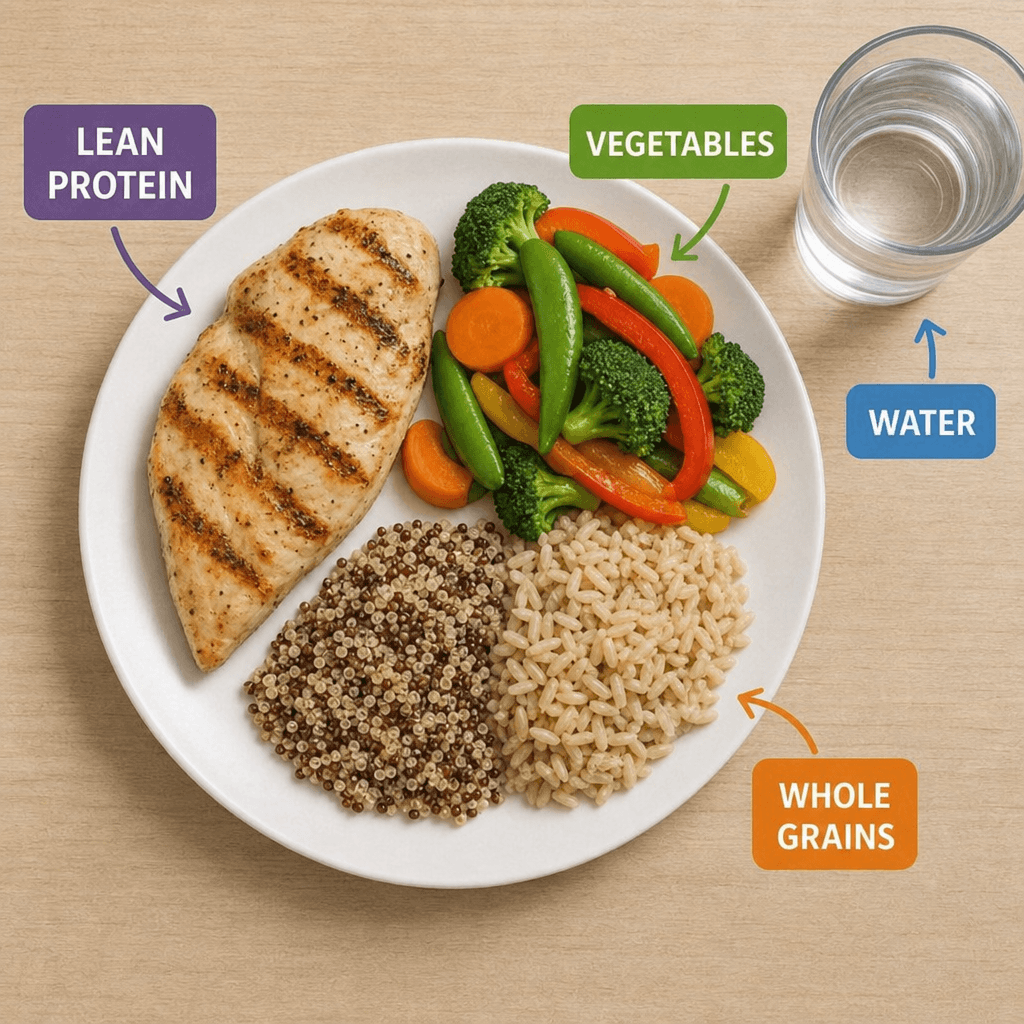
Try this simple plate method for most meals:
¼ plate protein for fullness and muscle support
½ plate vegetables or fruit for volume, fiber, and nutrients
¼ plate starch or whole grains for energy and satisfaction
A small amount of fat such as olive oil, avocado, nuts, or cheese
Water or low-calorie drinks most of the time
Beware of “instant weight loss” claims
Instant weight loss is usually not instant fat loss. Low-carb diets, fasting, sauna sessions, detox teas, and dehydration can all move the scale quickly, but a large early drop often includes water and digestive contents. That does not mean every quick result is fake; it means the scale is not always telling you what kind of weight you lost.
Be cautious with plans that require extreme restriction, promise effortless fat loss, or sell urgency instead of habits. If you have diabetes, heart disease, high blood pressure, a history of disordered eating, are pregnant, or take medication affected by diet or weight changes, speak with a qualified healthcare professional before making major changes. NIDDK recommends talking with a healthcare professional before starting regular physical activity if you have certain health conditions.
Frequently Ask Questions
How quickly can I lose body fat safely?
Many adults aim for about 1 to 2 pounds per week, though the right pace depends on starting weight, health status, calorie needs, and adherence. Faster losses may happen at first, especially from water weight, but sustainable fat loss usually requires repeatable habits.
What burns fat the fastest?
A calorie deficit burns stored body fat over time. Strength training, walking, cardio, protein-rich meals, sleep, and stress management all support that deficit, but no single workout or food “melts” fat by itself.
Is quick weight loss always unhealthy?
Not always, but aggressive quick weight loss can be harder to maintain and may increase the risk of muscle loss, fatigue, and rebound eating. A supervised plan may be appropriate for some people, but most readers are better served by steady, evidence-based habits.
Can I lose belly fat first?
You cannot choose exactly where fat comes off first. You can reduce overall body fat through nutrition, training, and consistency, and your genetics largely influence where changes appear earliest.
Take the next step
If your goal is effective weight loss, start with one week of clear action: plan protein-forward meals, walk daily, strength train twice, reduce liquid calories, and track your average weight. Then adjust based on results, not panic.
For a personalized plan, consider booking a session with a qualified nutrition, fitness, or healthcare professional who can match your goals to your health history, schedule, and preferences. The fastest way forward is not the most extreme plan—it is the plan you can begin today and keep improving.