If you’re working toward a leaner, healthier body, one of the first questions you may ask is: How long does it take to lose body fat? The answer depends on several factors, including your starting body composition, eating habits, activity level, workout routine, sleep, and consistency.
Some people notice changes in their energy and fitness within a few weeks. Visible changes in body composition may take longer, often several weeks or months. There isn’t a guaranteed timeline because everyone’s body responds differently to changes in nutrition and exercise.
The most effective approach is to focus on gradual fat loss while maintaining muscle and building habits you can follow long term. With the right combination of strength training, cardiovascular activity, and balanced nutrition, you can make progress without relying on extreme diets or exhausting workouts.
How Long Does It Usually Take to Lose Body Fat?
Fat loss happens gradually. Your body needs to use more energy than it takes in over time, creating a calorie deficit that encourages it to use stored energy.
For many adults, a gradual weight-loss pace of around 1–2 pounds per week is often used as a general guideline. However, this is not a guarantee or a target everyone should pursue. Your appropriate rate may be slower depending on your starting weight, health, and individual circumstances.
Here’s a general way to think about the process:
First few weeks: You may notice changes in energy, exercise performance, and eating habits. Initial scale changes can include water weight rather than body fat.
Around one to two months: Consistent habits may begin producing noticeable changes in measurements, clothing fit, and body composition.
Three months and beyond: You may see more meaningful changes in strength, fitness, and overall body composition if your routine remains consistent.
These are broad expectations, not deadlines. Someone with a smaller amount of body fat to lose may see slower changes on the scale, while someone starting at a higher weight may experience faster initial weight loss.
The important thing is to evaluate your progress over time rather than expecting a dramatic transformation every week.
What Factors Affect How Quickly You Lose Body Fat?
Two people can follow similar workout and nutrition plans but experience different results. That’s because fat loss is influenced by several personal factors.
1. Your Starting Body Composition
Your starting weight and body composition can affect how quickly you notice changes.
Someone with more body fat to lose may experience a different rate of progress than someone who is already relatively lean. As you get closer to your desired body composition, progress may become slower.
This is normal. It doesn’t necessarily mean your program has stopped working.
2. Your Nutrition and Calorie Intake
Nutrition plays a major role in fat loss. Even if you exercise regularly, consistently consuming more energy than your body uses can make losing body fat difficult.
A moderate calorie deficit is generally more sustainable than drastically reducing food intake.
Focus on:
Eating protein-rich foods such as eggs, fish, chicken, tofu, and beans.
Including vegetables and fruit in your daily meals.
Choosing filling carbohydrate sources such as oats, rice, potatoes, and whole grains.
Being aware of portion sizes.
Drinking enough water throughout the day.
You don’t need to eliminate your favorite foods. A balanced eating plan that fits your preferences is easier to maintain.
For more practical advice, read our guide to effective weight loss strategies.
3. Your Exercise Routine
Regular exercise helps support fat loss, improve fitness, and maintain muscle.
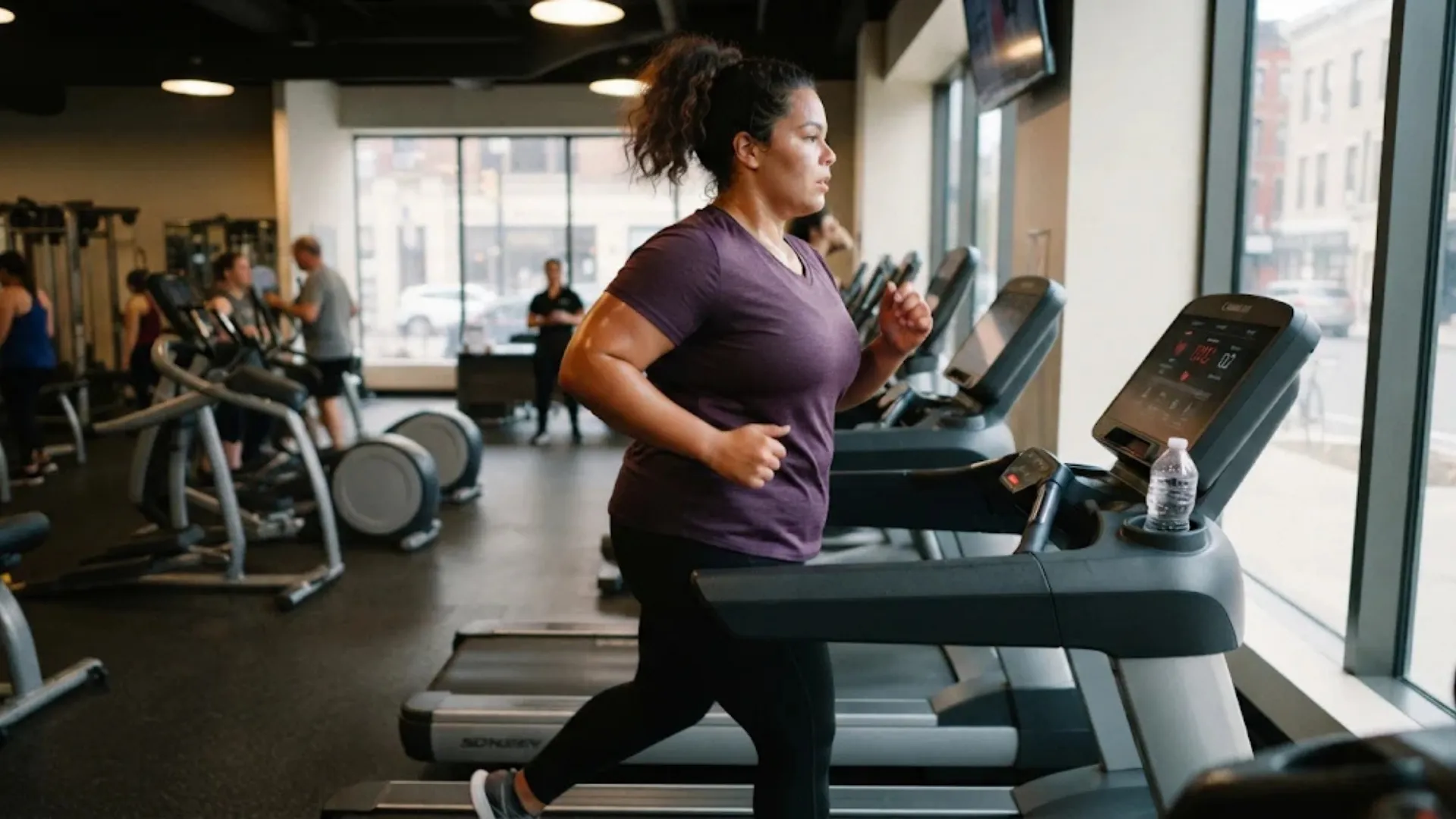
A combination of strength training and cardiovascular activity works well for many adults. Strength training helps preserve muscle while you’re in a calorie deficit, while cardio and everyday movement contribute to overall energy expenditure.
The best routine is one that matches your current fitness level and allows you to exercise consistently.
4. Your Sleep and Recovery
Sleep is often overlooked when people focus on losing body fat. Poor sleep can affect hunger, appetite, energy, and your ability to stay active.
Give yourself enough time to recover between demanding workouts. Include rest days and avoid increasing exercise intensity too quickly.
5. Your Age, Health, and Lifestyle
Age, genetics, medications, medical conditions, stress, and hormonal changes can all influence body weight and body composition.
If you have a medical condition, take medication that affects your weight, or have concerns about your ability to lose weight safely, speak with a qualified healthcare professional before making significant changes to your diet or exercise routine.
What Is the Best Way to Lose Body Fat Without Losing Muscle?
Losing weight and losing body fat aren’t exactly the same thing. Your total body weight includes fat, muscle, water, bones, and other tissues.
If you lose weight too quickly through extreme dieting or excessive exercise, you may also lose valuable muscle. That’s why a good fat-loss plan should focus on improving body composition rather than simply lowering the number on the scale.
Here are three ways to support muscle while reducing body fat.
1. Include Strength Training
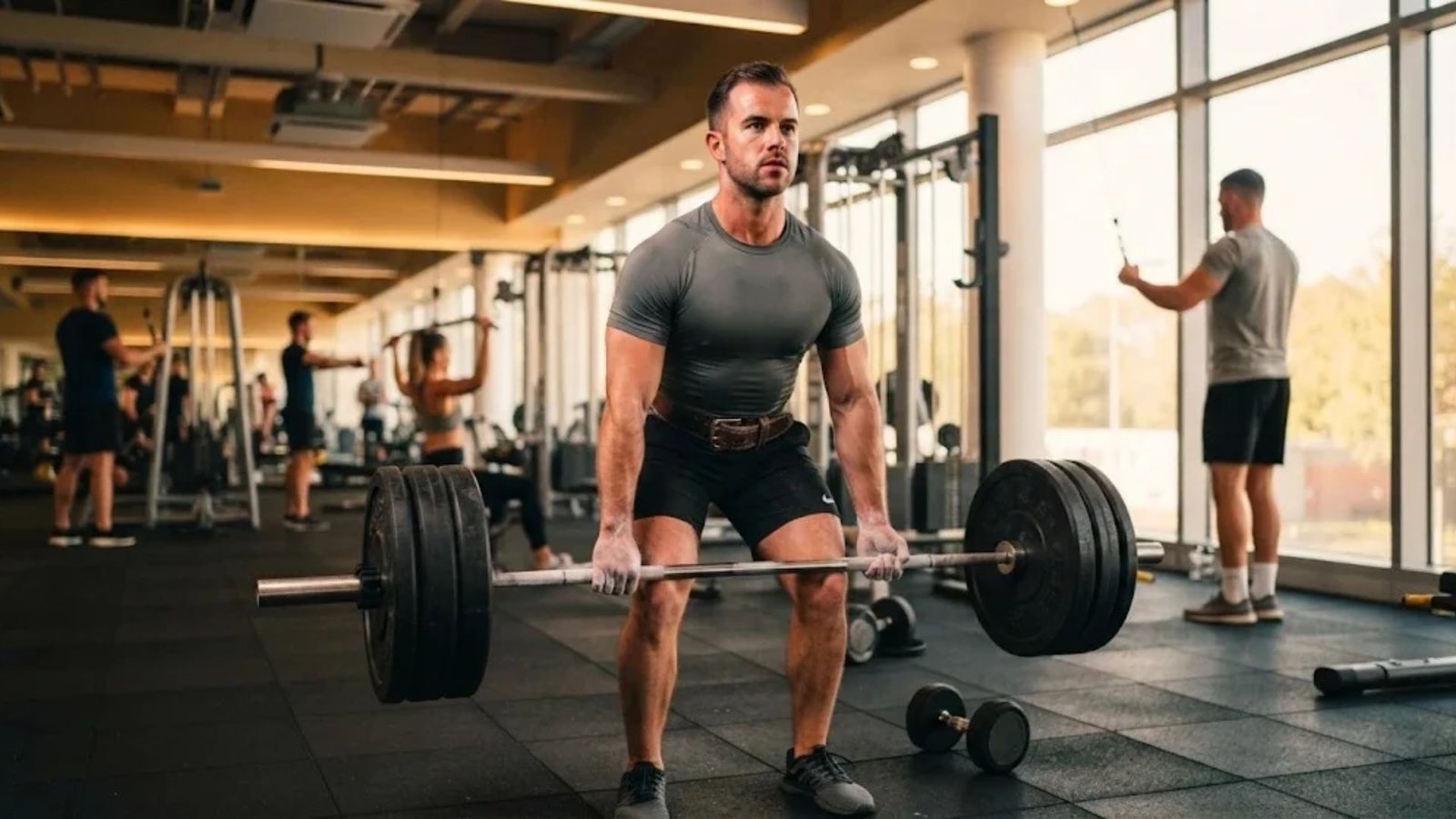
Strength training helps maintain muscle when you’re eating fewer calories. It also improves strength, physical performance, and everyday movement.
Useful exercises include:
Squats
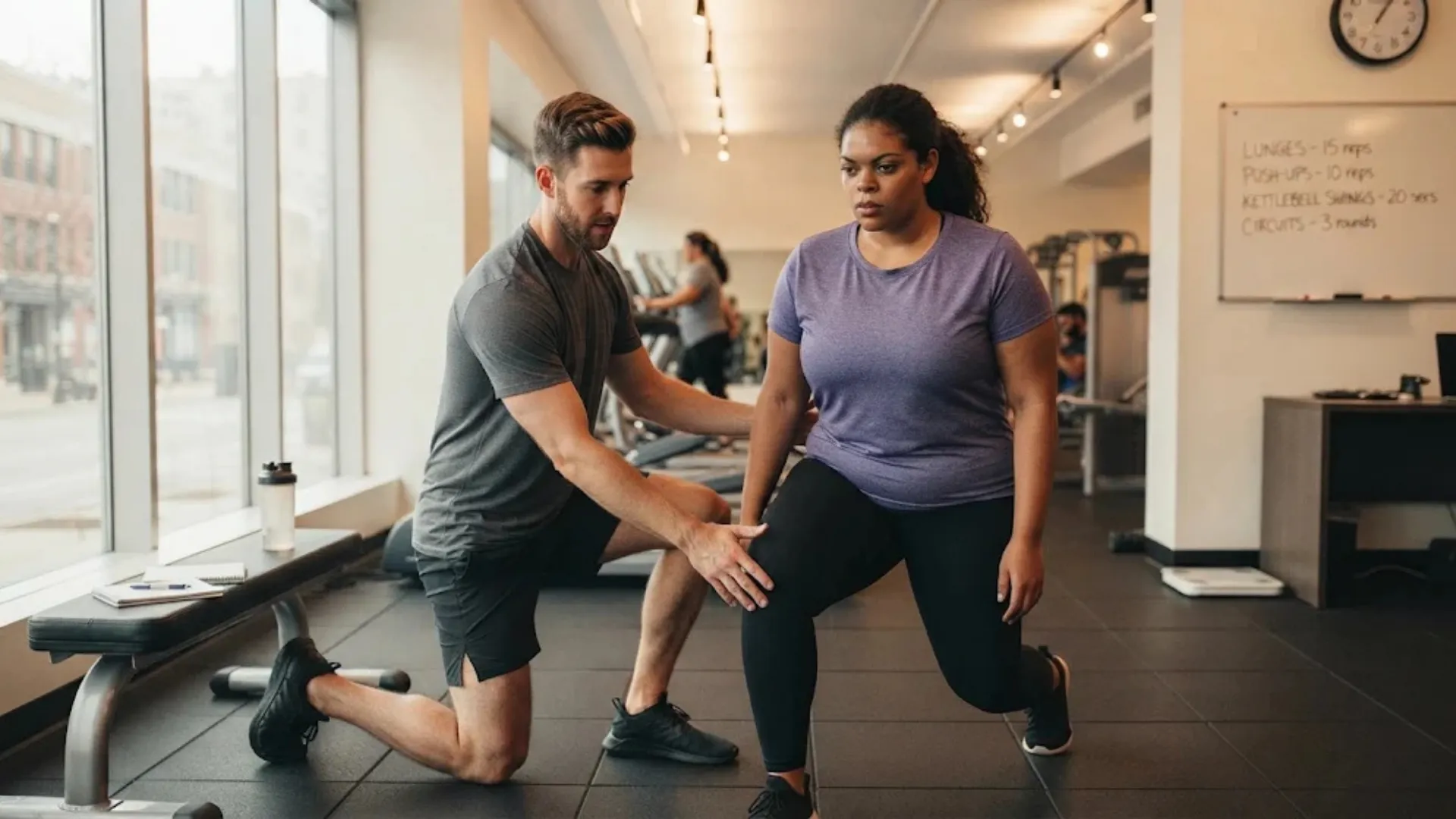
Lunges
Push-ups
Dumbbell rows
Deadlifts
Shoulder presses
Planks
Beginners can start with two or three strength sessions per week and gradually increase their training as they become more comfortable.
Our article on how strength training improves metabolism explains why resistance training is worth including in a long-term fitness routine.
2. Eat Enough Protein
Protein provides the amino acids your body needs to repair and maintain muscle tissue.
Include a protein source in your main meals. Good options include:
Eggs
Chicken breast
Fish and seafood
Greek yogurt
Lean beef
Beans and lentils
Tofu and other soy foods
Your ideal protein intake depends on your body weight, activity level, health, and fitness goals. A qualified nutrition professional can help determine an appropriate target.
3. Avoid Extreme Calorie Restriction
Eating too little can leave you tired, hungry, and less able to perform well during workouts. It may also make your routine difficult to maintain.
Instead, aim for a manageable calorie deficit that allows you to enjoy balanced meals while supporting your activity and recovery.
How Much Exercise Do You Need to Lose Body Fat?
You don’t have to work out every day to make progress. The goal is to build a weekly routine that combines strength training, cardio, and regular movement.
A practical starting schedule could look like this:
| Day | Activity |
|---|---|
| Monday | Full-body strength training |
| Tuesday | Brisk walking or cycling |
| Wednesday | Strength training |
| Thursday | Rest or light walking |
| Friday | Full-body strength training |
| Saturday | Walking, swimming, or another enjoyable activity |
| Sunday | Rest and recovery |
For general health, adults are advised to aim for at least 150 minutes of moderate-intensity aerobic activity each week and muscle-strengthening activities on at least two days.
You can divide your activity into shorter sessions throughout the week. If you’re new to exercise, begin with a manageable amount and gradually build up.
Can You Lose Body Fat at Home?
Yes. You don’t need a gym membership to start working toward fat loss. Home workouts, walking, resistance bands, and bodyweight exercises can help you stay active and build strength.
A simple home routine might include squats, push-ups, lunges, glute bridges, and planks. As you get stronger, you can increase repetitions, use resistance bands, or add dumbbells.
If building strength at home is part of your goal, explore our guide to building muscle at home. It explains how to use resistance exercises and gradual progression to develop muscle without relying on a full gym setup.
You can also combine home workouts with outdoor activities such as walking, hiking, or cycling.
How Can You Track Your Fat-Loss Progress?
The scale is useful, but it doesn’t tell the whole story. Your body weight can change because of water retention, food intake, digestion, and other normal fluctuations.
Consider tracking several indicators:
Body weight: Look at weekly averages rather than reacting to daily changes.
Waist measurements: Measure consistently under similar conditions.
Progress photos: Take photos every few weeks using similar lighting and clothing.
Clothing fit: Notice whether your clothes fit differently over time.
Workout performance: Track improvements in strength, endurance, and exercise technique.
Energy and consistency: Pay attention to how you feel and whether your routine is becoming easier to maintain.
If the scale stays similar while your strength improves and your waist measurement changes, you may still be making positive changes to your body composition.
What If You're Not Losing Body Fat?
If you haven’t noticed progress after several weeks, don’t immediately assume you need a more intense workout or a stricter diet.
Start by reviewing your current habits.
Ask yourself:
Am I following my nutrition plan consistently?
Am I eating appropriate portions?
Am I completing my planned workouts?
Am I staying active outside the gym?
Am I getting enough sleep?
Have I allowed enough time to evaluate my progress?
Small adjustments may be more helpful than completely changing your routine.
If you’re struggling to stay consistent or unsure how to adjust your workouts, online personal training may provide a structured program, regular check-ins, and guidance that fits your schedule.
Frequently Asked Questions
How long does it take to notice body fat loss?
Some people notice changes in energy, fitness, or clothing fit within a few weeks. More visible changes in body composition often take several weeks or months. The timeline depends on your starting point and consistency.
Can I lose body fat in 30 days?
You may make progress in 30 days by improving your nutrition, increasing activity, and following a consistent workout routine. However, the amount of fat you lose varies, and a month may not be enough to achieve a major physical transformation.
What burns body fat the fastest?
A sustainable calorie deficit is the main driver of fat loss. Strength training, cardiovascular exercise, daily movement, adequate protein, and good sleep can help support the process.
Can I lose belly fat without losing muscle?
You can reduce overall body fat while working to preserve muscle through resistance training, adequate protein, and a moderate calorie deficit. However, you cannot choose exactly where your body loses fat first.
Is walking enough to lose body fat?
Walking can contribute to fat loss by increasing daily energy expenditure. It works best when combined with balanced nutrition and, when appropriate, strength training. The amount of walking needed varies from person to person.
Start Building a Sustainable Fat-Loss Routine
So, how long does it take to lose body fat? It depends on your starting point, nutrition, activity level, recovery, and consistency. Some changes may appear within weeks, while more noticeable improvements in body composition can take several months.
Rather than chasing rapid results, focus on habits that support lasting progress. Eat balanced meals, include strength training, stay active throughout the week, and give your body enough time to recover.
At San Rafael Personal Training, personalized coaching can help you create a fitness routine that matches your goals, experience, and schedule. Contact us to discuss a fat-loss plan that helps you build strength, improve fitness, and work toward sustainable results.