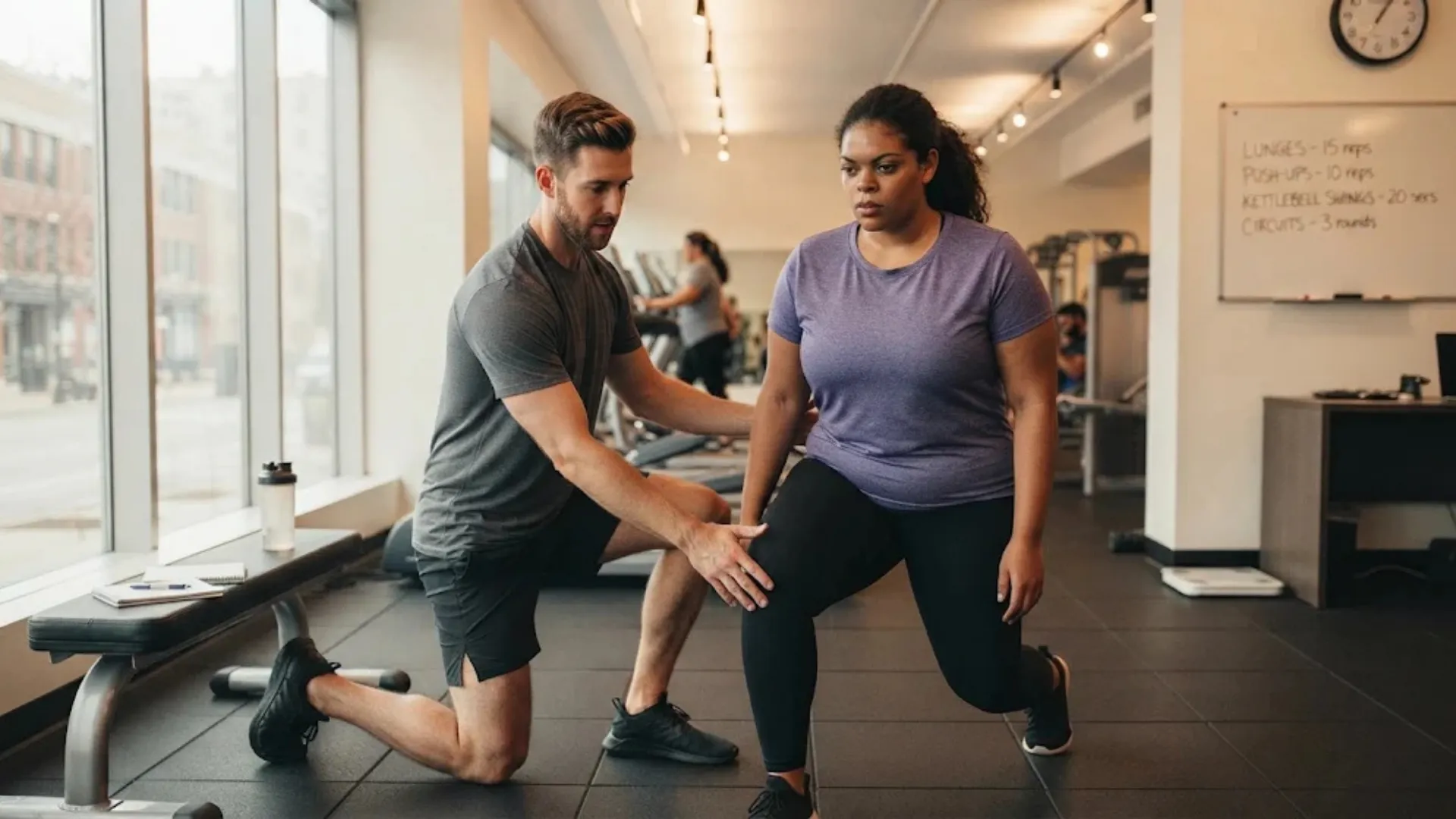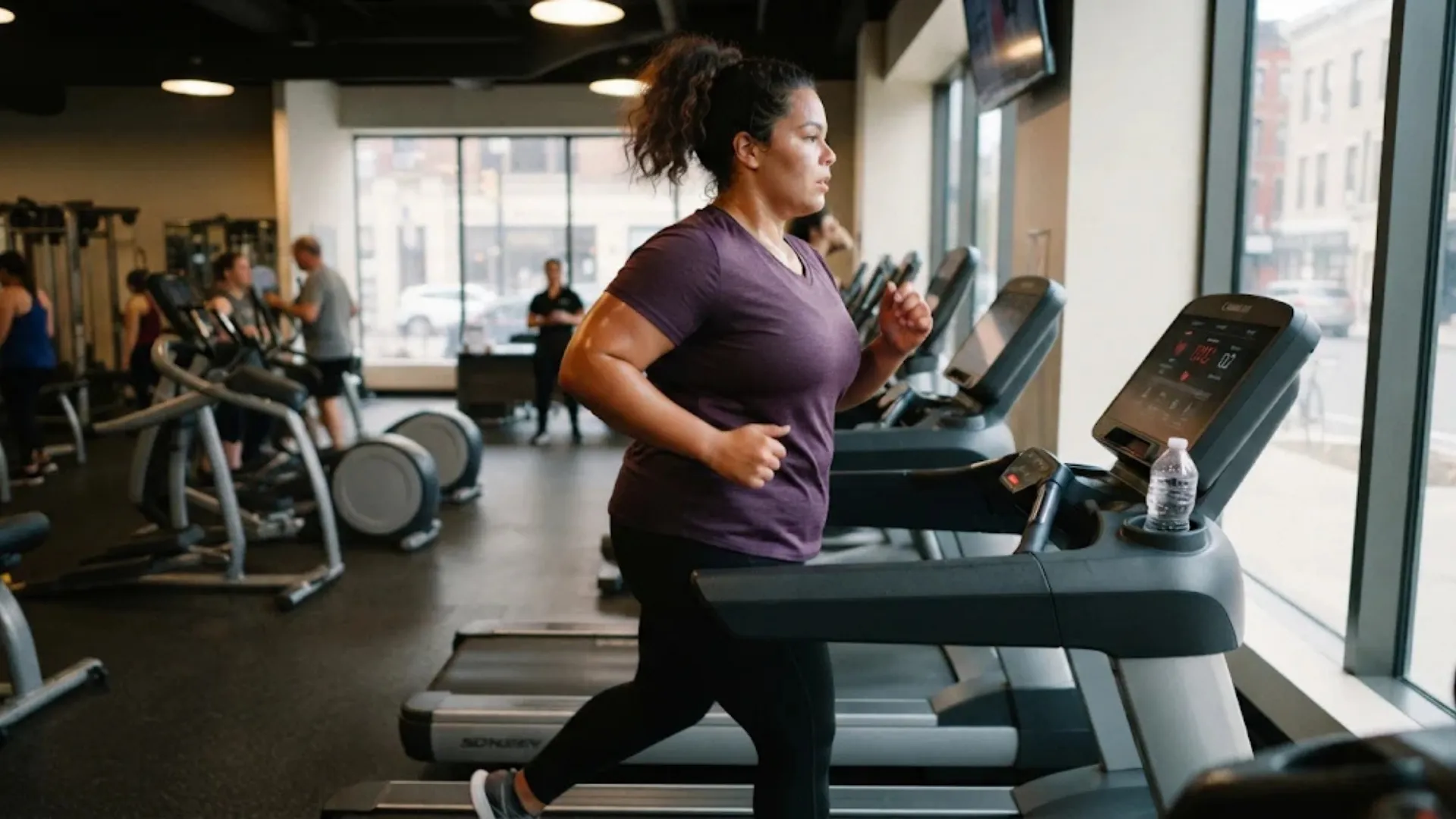
If you’ve been trying to lose weight but aren’t seeing the results you want, working with a personal trainer may help. A personal trainer can create a workout plan based on your fitness level, teach you how to exercise safely, and help you stay consistent with your goals. For adults with busy schedules, having a clear plan and someone to guide the process can make weight management feel more manageable.
At San Rafael Personal Training, clients can get support with exercise, strength development, and building healthier habits. While a trainer cannot guarantee a specific amount of weight loss, the right coaching can help you make steady progress and develop a routine you can maintain.
How Can a Personal Trainer Help You Lose Weight?
Losing weight involves more than exercising regularly. Your nutrition, daily activity, sleep, and consistency all influence your results. A personal trainer can help you understand how these areas work together and build a fitness routine that fits your lifestyle.
Here are several ways a trainer can support your weight-loss goals.
1. Create a Workout Plan Based on Your Goals
Following random workouts can make it difficult to measure progress. A personal trainer assesses your current fitness level, exercise experience, available equipment, and goals before recommending a program.
Your plan might include strength training, cardio, mobility exercises, and rest days. If you’re new to exercise, your trainer can start with manageable movements and gradually increase the difficulty as your fitness improves.
A personalized routine also helps you use your workout time more effectively. Instead of guessing which exercises to perform, you’ll have a clear structure to follow.
2. Help You Build Muscle While Losing Fat
Weight loss and fat loss aren’t exactly the same. Your body weight can decrease through changes in water, muscle, and fat. For many people, the goal is to reduce body fat while maintaining as much lean muscle as possible.
Strength training can help with this process. Exercises such as squats, lunges, rows, presses, and deadlifts challenge your muscles and help maintain strength as your body weight changes.
A trainer can also adjust your routine as you become stronger. Learn more about how strength training affects metabolism and why resistance exercise can be a useful part of a long-term weight-management plan.
3. Keep You Accountable and Consistent
One of the biggest challenges with weight loss is staying consistent. You might feel motivated at the beginning, but work responsibilities, family commitments, and unexpected schedule changes can interrupt your routine.
Working with a personal trainer gives you scheduled sessions and regular check-ins. Your trainer can monitor your progress, help you work through setbacks, and adjust your program when necessary.
Accountability doesn’t mean you have to be perfect. It means having support to get back on track when you miss a workout or struggle to maintain your habits.
For more information, read our guide to the benefits of hiring a personal trainer.
4. Provide Guidance on Healthy Eating Habits
Exercise is important, but your eating habits also play a major role in weight management. You can work hard during your training sessions and still struggle to lose weight if your overall food intake consistently exceeds your energy needs.
A personal trainer may help you understand basic nutrition habits, such as:
Including protein sources in your meals.
Eating vegetables and fruit regularly.
Choosing filling, nutrient-rich foods.
Paying attention to portion sizes.
Drinking enough water.
Planning meals that fit your daily schedule.
Depending on their qualifications, trainers may offer general nutrition guidance or refer you to a registered dietitian for more specialized support.
For additional advice, check out our article on effective weight loss strategies.
What Types of Workouts Can a Personal Trainer Recommend?
The best workout plan depends on your starting fitness level, preferences, and physical needs. Most effective weight-loss programs combine different types of activity rather than relying on one exercise.
Strength Training
Strength training helps build and maintain muscle. Your trainer may include exercises such as squats, lunges, push-ups, rows, and resistance-band movements.
As your strength improves, your trainer can gradually increase the resistance, repetitions, or difficulty of your exercises.
Cardiovascular Exercise
Cardio activities increase your heart rate and help you use energy. Depending on your fitness level, your trainer might recommend walking, cycling, swimming, rowing, or other activities you enjoy.
You don’t have to perform intense cardio every day. The goal is to find activities you can repeat consistently.
Daily Movement
Your activity outside the gym matters too. Walking, taking the stairs, doing household tasks, and taking short movement breaks can help you stay active throughout the day.
A trainer can help you set realistic activity goals that fit your schedule.
Can an Online Personal Trainer Help You Lose Weight?
Yes. Online personal training can be a useful option if you have a busy schedule, prefer working out at home, or cannot regularly visit a gym.
An online coach can provide a structured workout program, review your progress, and offer guidance through scheduled check-ins or digital communication. Your program can also be adjusted based on your available equipment and training experience.
The key is finding a coaching arrangement that provides clear instructions and regular support. Read more about building muscle with online coaching to understand how remote fitness guidance can work.
How Long Does It Take to Lose Weight With a Personal Trainer?
There isn’t one timeline that works for everyone. Your results depend on factors such as your starting weight, nutrition, activity level, health, sleep, and consistency.
Some people notice improvements in energy, endurance, or strength before seeing major changes on the scale. Others may notice changes in how their clothes fit or how comfortably they perform everyday activities.
A trainer can help you monitor different signs of progress instead of judging your results by body weight alone.
It’s also important to avoid expecting dramatic changes in a few weeks. Gradual weight loss is generally easier to maintain than extreme approaches. Your trainer should help you follow a realistic plan rather than push you toward unsustainable restrictions.

How to Get the Most Out of Personal Training
Your trainer provides the guidance, but your everyday habits also influence your progress. To get more from your sessions:
Set a clear goal. Decide what you want to achieve, whether it’s losing body fat, improving strength, or building a consistent exercise routine.
Be honest about your schedule. Tell your trainer how many days you can realistically exercise.
Follow your program. Give your workouts enough time to work before constantly changing routines.
Track your progress. Monitor strength, endurance, measurements, workout consistency, and other meaningful changes.
Communicate regularly. Let your trainer know if an exercise feels uncomfortable or your schedule becomes difficult to manage.
Prioritize recovery. Get enough sleep and allow your body time to recover between challenging workouts.
You can also learn why gradual increases in training difficulty matter in our guide to progressive overload.
Frequently Asked Questions
Is hiring a personal trainer worth it for weight loss?
It can be worthwhile if you need a structured workout plan, exercise guidance, and accountability. A trainer can help you avoid guesswork and make adjustments as your fitness improves. Your results will still depend on your consistency and daily habits.
How many times a week should I work with a personal trainer?
This depends on your goals, budget, schedule, and fitness level. Some people benefit from two or three supervised sessions per week, while others work with a trainer once weekly and complete additional workouts independently.
Do I need to go to the gym to lose weight with a trainer?
No. Many exercises can be performed at home with body weight, resistance bands, dumbbells, or other basic equipment. Your trainer can design a program around the space and equipment you have.
Can a personal trainer help me lose belly fat?
A personal trainer can help you reduce overall body fat through an appropriate exercise routine and healthy lifestyle habits. However, you cannot choose exactly where your body loses fat. Abdominal exercises strengthen your core, but they don't specifically burn belly fat.
Will I gain muscle while losing weight?
It is possible, particularly if you're new to strength training or returning after a break. A suitable resistance-training program, adequate protein, and appropriate nutrition can help support muscle development while reducing body fat.
Start Working Toward Your Weight-Loss Goals
So, can a personal trainer help you lose weight? Yes. A qualified trainer can give you a structured exercise plan, help you improve your technique, encourage consistency, and guide you as your fitness level changes.
The most effective approach is one that fits your schedule and supports habits you can maintain over time. If you’re ready to take the next step, San Rafael Personal Training can help you work toward your fitness goals with a plan built around your needs.
Get started today and take the first step toward becoming stronger, healthier, and more confident.